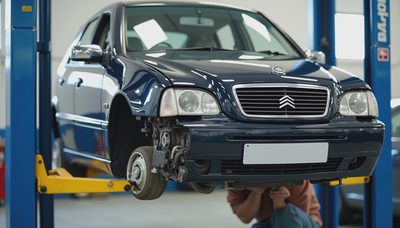


What "High Mileage" Really Means
There is no official number where a car becomes high mileage. In the UK, most people start using the term around 80,000 miles. By 100,000 miles, the label is firmly attached. But mileage is not condition. A 120,000-mile motorway car with a full service history can be in far better mechanical shape than a 60,000-mile town car that has missed half its oil changes.
High mileage means the car has covered enough distance that certain components are entering their wear window. It does not mean the car is finished. It means maintenance stops being optional and starts being essential. The cars that reach 150,000 or 200,000 miles are not the ones that never had problems. They are the ones whose owners fixed things before they became emergencies.
What to Prioritise
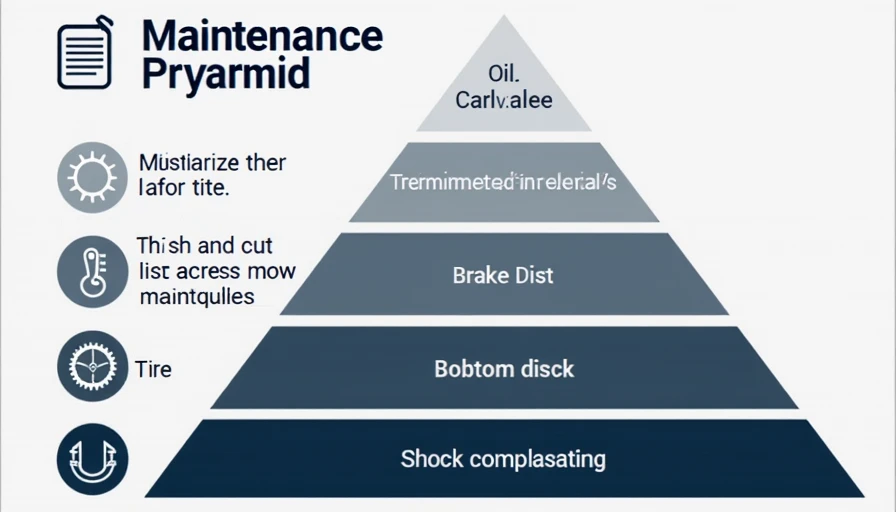
You cannot do everything at once, and on a high-mileage car you should not try. Prioritise the items that protect the engine, keep you safe, and prevent cascading failures. Here is the order that makes sense.
1. Oil and Filter — The Non-Negotiable
Oil is the single most important maintenance item on any engine, and on a high-mileage one it is critical. Older engines have wider internal tolerances. They rely on oil viscosity to fill those gaps and maintain pressure. Old, thin, or dirty oil cannot do that job.
Change the oil and filter every 6,000–8,000 miles or every 12 months, whichever comes first. If the manufacturer specifies long-life intervals of 12,000–18,000 miles, ignore them on an older engine. Shorter intervals are cheaper than engine wear. Use the oil grade specified in the handbook — do not experiment with thicker oil unless a trusted garage advises it for a specific reason.
Check the oil level regularly. High-mileage engines often consume some oil between changes. Running low is as damaging as running old oil. A car that burns a litre every 1,000 miles is not necessarily broken — but it is a car that needs the dipstick checking every fuel fill.
2. Cooling System — The Engine Killer Nobody Thinks About
Overheating destroys engines faster than almost anything else. On a high-mileage car, the cooling system deserves proper attention.
Check coolant level and condition. Old coolant loses its anti-corrosion properties and can look brown or rusty. If the coolant is discoloured, have the system drained, flushed, and refilled. Inspect hoses for cracks, bulges, or soft spots. A split coolant hose dumps the coolant in seconds and can warp a cylinder head before you even notice the temperature gauge rising.
The thermostat and water pump have a finite life. If either has not been replaced and the car is over 100,000 miles, budget for them. A sticking thermostat causes overheating or poor heater performance. A failing water pump bearing can seize or leak. On many cars, the water pump is driven by the timing belt — if the belt is due, do the water pump at the same time.
3. Timing Belt or Chain — The One You Cannot Gamble With
If your car has a timing belt, know the replacement interval. On a high-mileage car, this is not something to stretch. A snapped belt on an interference engine — which covers most modern UK cars — destroys the engine. The cost of a belt replacement is £300–£600. The cost of the damage if it snaps is often several thousand.
If the car has a timing chain, listen for a cold-start rattle. A brief rattle that disappears immediately may be acceptable, but a rattle that lasts or gets louder needs investigation. Timing chain tensioners wear. Chains stretch. On a high-mileage engine, regular oil changes with the correct oil are the best protection for the chain system.
4. Brakes — Function First, Upgrades Never
Brakes are safety-critical, full stop. On a high-mileage car, the focus should be on function, not performance upgrades. Check pad thickness, disc condition, and brake fluid age. Brake fluid should be changed every two years regardless of mileage — old fluid absorbs moisture, lowers the boiling point, and promotes internal corrosion in calipers and ABS components.
Inspect brake lines for corrosion. This is a common MOT failure on older UK cars, and corroded metal brake lines are a safety issue, not just a paperwork one. Listen for grinding, squealing, or pulling under braking. Any of those means an inspection is due now, not at the next service.
5. Tyres — The Only Part Touching the Road
Tyres age as well as wear. On a high-mileage car that does lower annual mileage in its later years, tyres can age out before they wear out. Check the date code on the sidewall. Tyres older than 6–7 years should be replaced regardless of tread depth. The rubber hardens and loses grip, especially in wet conditions — which the UK has in abundance.
Check pressures regularly. Check for uneven wear, which can indicate alignment or suspension issues. A car that wears the inside edges of tyres rapidly is not just costing you rubber — it is telling you something about the suspension geometry that needs addressing.
6. Suspension — The Comfort and Safety System
Suspension components wear gradually. Drivers often adapt to the slow decline in ride quality and handling without realising how tired the car has become. Worn shock absorbers increase braking distances, reduce stability, and cause uneven tyre wear. Listen for clunks over bumps, check for leaking shock absorbers, and pay attention to how the car behaves on uneven roads.
Springs can corrode and snap — a common MOT failure on older UK cars, particularly those exposed to winter road salt. A broken spring is a safety issue. If one shock absorber is replaced, do them in pairs across the axle. Replacing one side only creates an imbalance that affects handling.
What Matters More Than Age Alone
A high-mileage car with a complete service history is almost always a better bet than a lower-mileage car with gaps. The mileage number itself is less important than the evidence that someone cared enough to maintain the car properly.
When assessing what to prioritise on your own car, ask these questions:
Is there proof the work was done, or just a stamp in the book? An invoice tells you what parts were used and what was actually replaced. A stamp alone is not the full story.
Has the car been used regularly or left sitting? A high-mileage car used daily is often in better mechanical condition than a low-mileage car that sat unused for months. Seals dry out. Moisture builds up. Brakes corrode.
What has already been replaced? A car with a new clutch, recent timing belt, fresh brakes, and documented oil changes at 110,000 miles may need less spending in the next two years than a 70,000-mile car where all those items are still original and due.
Smart Ownership Logic for High-Mileage Cars
Do not try to restore a high-mileage car to showroom condition. The goal is reliable, safe transport at a reasonable cost. That means fixing what matters and accepting what does not.
Fix immediately: Anything that affects safety (brakes, tyres, steering, suspension, lights) or that can destroy the engine if ignored (timing belt, cooling system, oil leaks that drop onto hot components).
Plan and budget: Clutch, exhaust, battery, alternator, starter motor. These wear out and can be planned for. When one shows early signs, budget for it rather than waiting until it strands you.
Accept and monitor: Minor oil leaks that do not drip onto the exhaust, cosmetic rust, worn trim, ageing paint, slightly tired interior. These do not stop the car from getting you where you need to go. On a car worth a few thousand pounds, spending heavily on cosmetics rarely makes financial sense.
Know when to stop: There comes a point where the next repair bill exceeds the car's value and another large bill is likely within 12 months. When you reach that point, the rational decision may be to stop spending and replace the car. A separate article in the "Worth It?" category covers that judgment in detail.
Bottom Line
A high-mileage car kept on top of its maintenance can be the most cost-effective transport there is. The key is prioritising the right things: oil and filters protect the engine, the cooling system prevents catastrophe, the timing belt or chain prevents destruction, and brakes and tyres keep you safe. Everything else is negotiable. Fix what matters, budget for what is coming, and do not waste money chasing perfection on a car that only needs to be reliable.
Fix the problem, not the panic.