
Manufacturer Schedule vs Real-World Driving
Most manufacturers recommend a service every 12 months or a set mileage — whichever comes first. The mileage figure varies: 10,000 miles, 12,000 miles, sometimes 18,000 miles on newer cars with long-life oil and extended intervals. Some modern cars have variable servicing, where the car itself calculates when it needs attention based on driving conditions and displays a service reminder on the dashboard.
That is the official answer. Here is the real-world one.
A car that does 12,000 miles a year cruising up and down the motorway is having an easy life. Long journeys, steady speeds, minimal cold starts, low stress on oil and components. A car that does 6,000 miles a year but spends its life doing short trips — school runs, two-mile commutes, stop-start town driving — is having a much harder time. The oil never gets fully hot. Moisture builds up. The engine runs cold for most of its operating hours. The battery barely gets a chance to recharge.
Mileage alone is not the full picture. How those miles are accumulated matters at least as much. A low-mileage car used mainly for short journeys may actually need more frequent servicing than a high-mileage motorway cruiser — not less.
Annual vs Mileage-Based Servicing
For the vast majority of UK drivers, the simplest and safest rule is: service it every year.
Most family and commuter cars in the UK fall into the 8,000–12,000 miles per year bracket. For those drivers, the annual service and the mileage-based interval roughly coincide. The car gets fresh oil, a new filter, and an inspection at the same time every year. MOT and service can be done together, which is convenient and makes the garage visit easier to remember.
If you cover more than 15,000 miles a year, you may need an interim oil change between full services. Oil degrades with use. Pushing long-life oil past 15,000 miles — even on a motorway-heavy driving pattern — is false economy. The oil is the cheapest engine component to replace and the most expensive one to neglect.
If you cover fewer than 5,000 miles a year, you still need an annual service. Oil absorbs moisture over time, even when the car is parked. That moisture forms acids that corrode internal surfaces. Low mileage does not mean the oil stays fresh. It means the car needs the oil changed on a time basis, not a mileage one.
Interim vs Full Service: What Is the Difference?
These terms get used a lot, and garages do not always explain them clearly. Here is the practical distinction.

Interim Service
An oil and filter change, plus a basic inspection. The garage will change the engine oil and oil filter, check fluid levels, inspect tyres, lights, wipers, and brakes, and give the car a quick visual once-over. It is designed for high-mileage drivers who need a second service between full annual services — for example, a car doing 20,000 miles a year might have a full service every 12 months and an interim every 6 months.
Expect to pay roughly £90–£150 at an independent garage, depending on the car and oil type.
Full Service
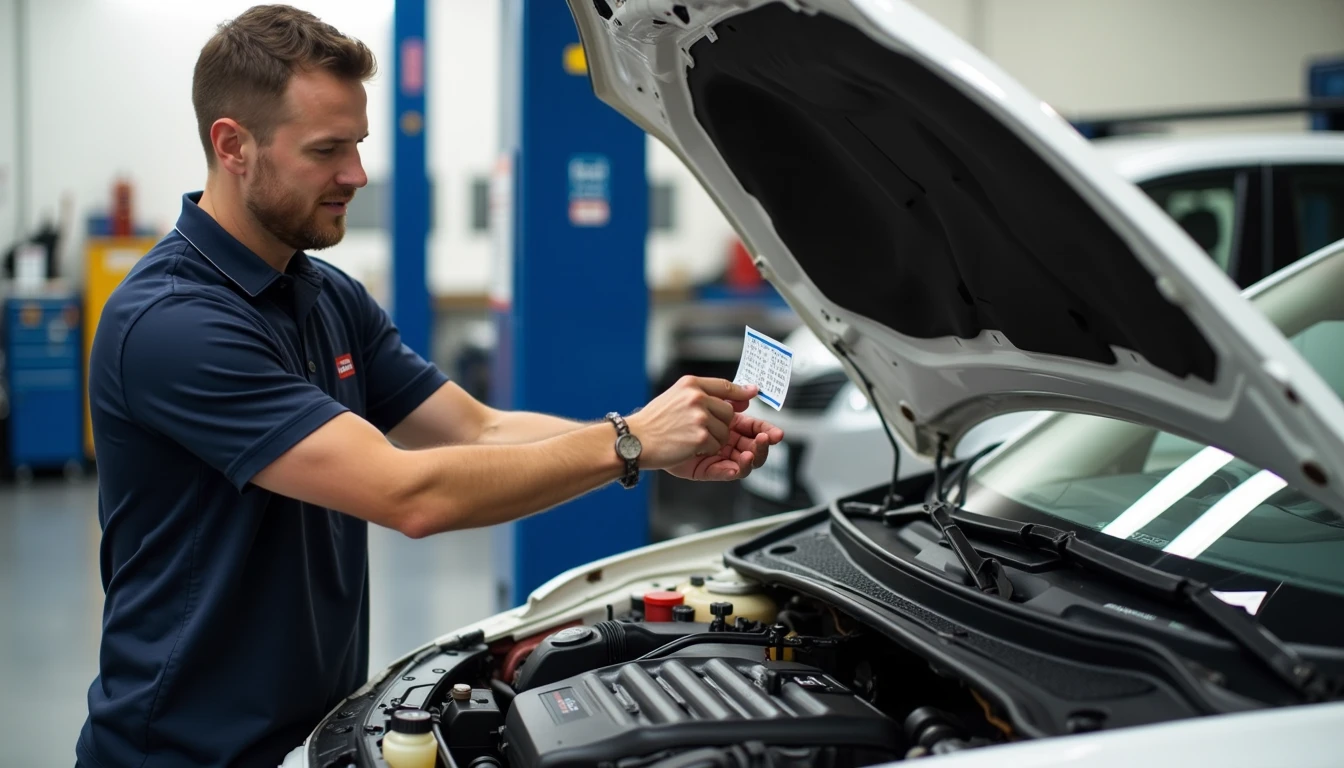
Includes everything in an interim service, plus an air filter, fuel filter (on diesels), and sometimes spark plugs depending on the schedule. A full service also involves a more thorough inspection: brakes checked properly with wheels off, suspension components examined, exhaust system inspected, belts and hoses checked. It is the proper annual health check, not just an oil swap.
Expect to pay roughly £150–£300 at an independent garage. A main dealer will charge more — sometimes considerably more — but should follow the exact manufacturer schedule and use approved parts.
Which one do you actually need?
For most drivers doing average mileage, one full service per year is the right answer. If you are doing high mileage, ask your garage whether an interim between full services makes sense. If you have just bought a used car with patchy history, start with a full service and go from there.
What Changes with Older Cars
Once a car passes about 80,000 miles or eight years old, the service conversation shifts slightly. The manufacturer schedule still applies, but a few things become worth doing more frequently or paying closer attention to.
Oil changes matter more. Older engines have more internal wear. Tolerances are wider. Oil consumption tends to increase slightly. Switching to a slightly thicker oil grade — if the manufacturer allows it — can help, but the key thing is changing it on time, every time. Do not stretch oil changes on an older engine.
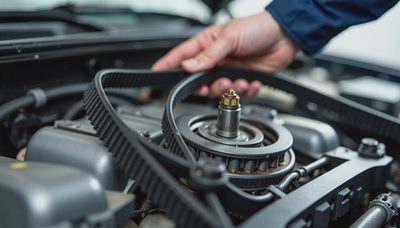
Cam belt and water pump. If your car has a timing belt, it has a replacement interval — typically 60,000 to 100,000 miles or 5 to 8 years depending on the model. On an older car approaching that interval, budget for it. A snapped timing belt on most engines means a destroyed engine. This is not a "see how it goes" item.
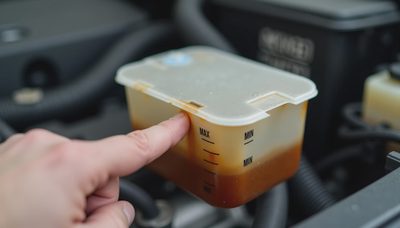
Fluids beyond oil. Brake fluid should be changed every two years regardless of mileage. Coolant has a service life too. On an older car, these fluids have often been neglected. If your service history does not show a brake fluid change in the last three years, add it to the next service.
Corrosion becomes a factor. UK roads are salted in winter. Older cars accumulate rust on brake lines, suspension components, and the underside. A full service with a proper inspection catches this before a brake pipe fails or a spring snaps. The service is not just about the engine — it is about keeping the car safe.
What Happens If You Leave It Too Long
Missing a service by a few hundred miles or a few weeks is not going to destroy the engine. Service intervals have safety margins built in. But making a habit of it does cumulative damage.
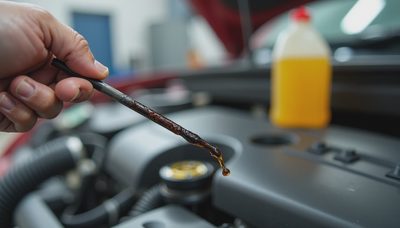
Oil degrades. It loses its ability to lubricate, clean, and cool. Sludge builds up in the engine. Oil passages narrow. One day, a blocked oil pickup starves the top end. The repair bill at that point is not an oil change. It is an engine.
Small faults go unnoticed. A full service is when a technician spots the split CV boot, the weeping shock absorber, or the brake pad that is wearing unevenly. Skip the service, and these things are found at the MOT — or worse, on the road.
Resale value drops. A car with a full service history is easier to sell and worth more. Gaps in the history make buyers nervous. A stamped service book or digital record tells the next owner the car has been looked after. An empty book says nothing — and that says a lot.
Best Advice for Average UK Drivers
This is the practical advice I would give to any customer standing at the service desk.
If you drive 8,000–12,000 miles a year: One full service every 12 months. Book it alongside your MOT so it is done once and forgotten about.
If you drive more than 15,000 miles a year: One full service every 12 months, plus an interim oil change at the 6-month mark. The extra £100-odd on the oil change is cheaper than an engine.
If you drive fewer than 5,000 miles a year: Still service it annually. Time kills oil as effectively as mileage. Moisture and acids do their damage whether the car is moving or parked.
If you own a diesel used mainly for short trips: Consider servicing every 10 months instead of 12. Short-trip diesels suffer from oil dilution from failed DPF regeneration. Fresh oil matters more, not less.
If your car is over 10 years old: Stick to the annual full service. Add a brake fluid change every two years. Budget for timing belt replacement if approaching the interval. And find a garage you trust — the relationship matters more as the car ages.
Bottom Line
For most UK drivers, servicing once a year is the right rhythm. It keeps the car safe, catches problems before they become breakdowns, and protects your resale value. It is not the most exciting money you will spend on your car, but it is the spending that prevents far larger bills later. An oil change is cheaper than an engine. A service is cheaper than a recovery truck.
Fix the problem, not the panic.