

What "Shaking at Idle" Usually Feels Like
You pull up at traffic lights, the engine is running, and you feel a vibration through the steering wheel, the seat, or the floor. Sometimes it is a mild shudder. Sometimes it feels like the whole car is trembling at a standstill.
The key point: this happens when the engine is idling, not when you are driving. Once you pull away, the shaking usually smooths out — or becomes less noticeable.
Short Answer
A car shaking at idle is often caused by something fairly minor — a misfire, a dirty component, or a worn mount. But in some cases it points to an engine problem that needs attention before it gets worse.
Most of the time you can still drive the car, but you should get it checked rather than ignoring it.
Can You Still Drive It?
In most cases, yes — but with a caveat.
If the shaking is mild and the car drives normally once you are moving, you are usually safe to continue driving for now. Book it in, but don't panic.
Stop driving and get it looked at immediately if:
The check engine light is flashing (not just on steady)
The shaking is severe and the engine feels like it is struggling to stay running
You notice a loss of power when pulling away
There is a strong smell of fuel or burning
A flashing check engine light means an active misfire that can damage the catalytic converter. That turns a small fix into a big bill.
Most Likely Causes
Here is what a garage would check first — starting with the most common.
1. Rough Idle from a Minor Misfire
A slight misfire at idle is one of the most common causes. The engine is not firing cleanly on all cylinders when it is under the lowest load. You might feel a rhythmic shudder rather than constant vibration. Often more noticeable when the engine is cold.
2. Worn Spark Plugs or Ignition Coils
Spark plugs that are past their service interval, or a coil pack starting to fail, can cause weak or inconsistent spark at idle. This is especially common on cars where plugs have not been changed on schedule. If your car is due a service, start here.
3. Vacuum Leak
A small leak in the intake system lets unmetered air into the engine. This disrupts the air-fuel mixture and causes a rough, unsteady idle. The engine might hunt up and down slightly rather than holding a steady RPM. Common sources: split vacuum hoses, a loose intake pipe, or a failing gasket.
4. Dirty Throttle Body
The throttle body controls airflow into the engine at idle. Over time, carbon builds up around the throttle plate. This restricts airflow just enough to cause rough idling — especially on cars that do a lot of short journeys. A clean can sometimes fix the problem for the cost of a can of throttle body cleaner.
5. Worn Engine Mount
If the engine itself is running smoothly but you feel excessive vibration through the car, the culprit might not be the engine at all. A worn or collapsed engine mount stops doing its job — isolating engine vibration from the chassis. This is more common on older cars and higher-mileage vehicles.
Signs It Is More Serious
Most idle shaking is not catastrophic, but there are a few symptoms that point to something more involved:
The vibration gets worse over days or weeks, not better
The engine stalls at junctions or when coming to a stop
You notice the idle speed fluctuating significantly on the rev counter
The shaking is accompanied by a rattling or knocking sound from the engine bay
If any of these apply, don't just monitor it. Get a proper diagnosis.
What to Check First (Before Calling the Garage)
If you want to narrow things down before booking in, here are a few things you can check yourself:
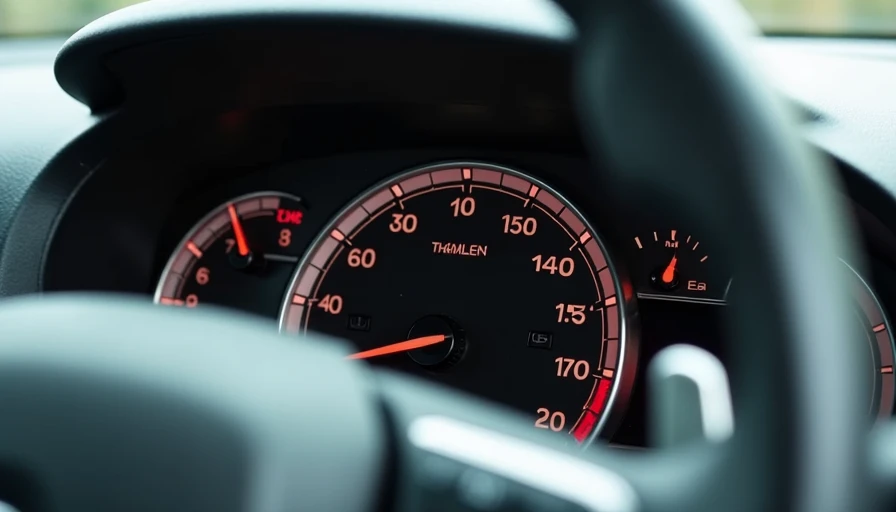
Look at the rev counter. At idle with the engine warm, the needle should be steady — typically between 700 and 900 RPM on most UK family cars. If it is hunting up and down, that points towards a vacuum leak or throttle body issue. If it is steady but the car still shakes, think engine mount.
Check your service history. When were the spark plugs last changed? If you are overdue, that is the most logical place to start — and it is maintenance your car needs anyway.
Listen under the bonnet. With the engine idling, open the bonnet and listen for a hissing sound. A vacuum leak often produces a faint hiss or sucking noise from around the intake area.
Put the car in neutral (automatic) or press the clutch (manual). If the vibration reduces significantly when you take the load off the drivetrain, that can point towards an engine mount issue rather than an engine running problem.
What a Garage Is Likely to Inspect
When you take the car in for this, a technician will typically work through a logical checklist:
Scan for stored fault codes — even if the check engine light is off, codes can be logged
Check live data for misfire counts on individual cylinders
Visually inspect spark plugs and ignition components
Check for vacuum leaks using a smoke test or by inspecting hoses
Clean the throttle body if carbon build-up is visible
Inspect engine mounts for cracking, sagging, or separation
On most common UK cars — Fiesta, Focus, Corsa, Astra, Golf, Polo — this is routine diagnostic work, not a mystery investigation.
Possible Repair Cost Range
These are rough UK garage figures to give you a sense of what to expect:
Cause | Typical Repair Cost (UK) |
|---|---|
Spark plug replacement (set of 4) | £60 – £120 |
Ignition coil (single) | £80 – £150 fitted |
Throttle body clean | £40 – £80 |
Vacuum leak repair (hose replacement) | £30 – £100 |
Engine mount replacement (single) | £150 – £300 |
Prices vary by region and vehicle. Expect to pay more at a main dealer than at a trusted independent garage.
Bottom Line
A car shaking at idle is annoying, sometimes worrying, but rarely a catastrophe. In most cases it is plugs, a dirty throttle body, or an air leak — all fixable without major surgery. If the car drives normally otherwise and the check engine light is not flashing, you have time to get it diagnosed properly. Don't ignore it, but don't let a garage sell you a full engine rebuild over a rough idle either.
Fix the problem, not the panic.