
When Brake Squeak Can Be Harmless
Not every squeak from the brakes means a repair bill is coming. In fact, a lot of brake noise is completely normal and nothing to worry about.
Brakes work by pressing a friction material (the pad) against a metal disc (the rotor). Sometimes that contact produces noise. It does not automatically mean something is wrong.
Harmless brake squeak tends to follow a pattern:
It happens first thing in the morning, especially after damp or cold weather, then goes away after a few stops
It is a light, high-pitched squeal that comes and goes, not a constant grinding
It happens at low speeds, like crawling in traffic or parking, but not under harder braking
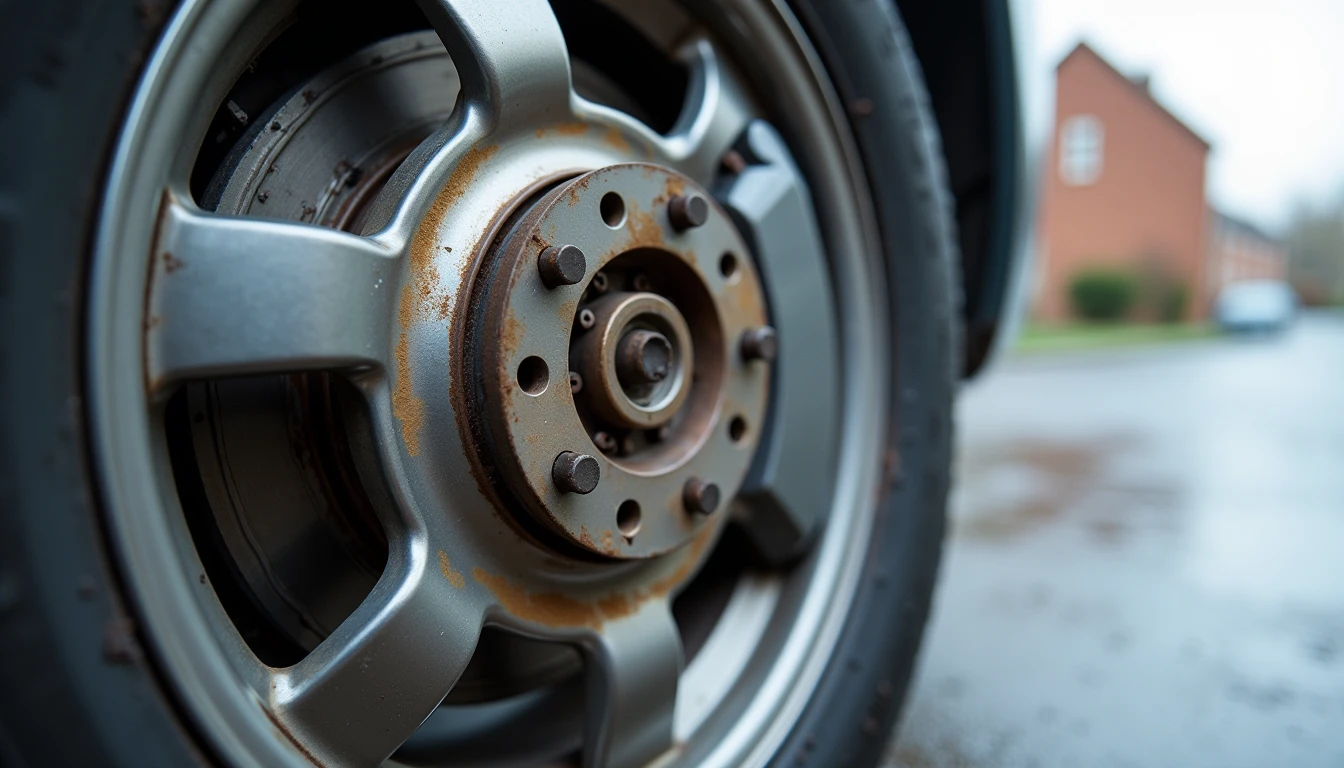
A thin layer of surface rust forms on brake discs overnight — especially in the UK climate. The first few brake applications of the day scrape that rust off. That can cause a brief squeak. It is normal and it clears itself.
Some brake pad compounds — particularly the harder-wearing ones fitted to many UK family cars — are simply more prone to occasional noise. It is not a defect. It is a characteristic.
When It Signals Wear or Contamination
There is a point where brake squeak stops being harmless and starts being a message.
Worn brake pads
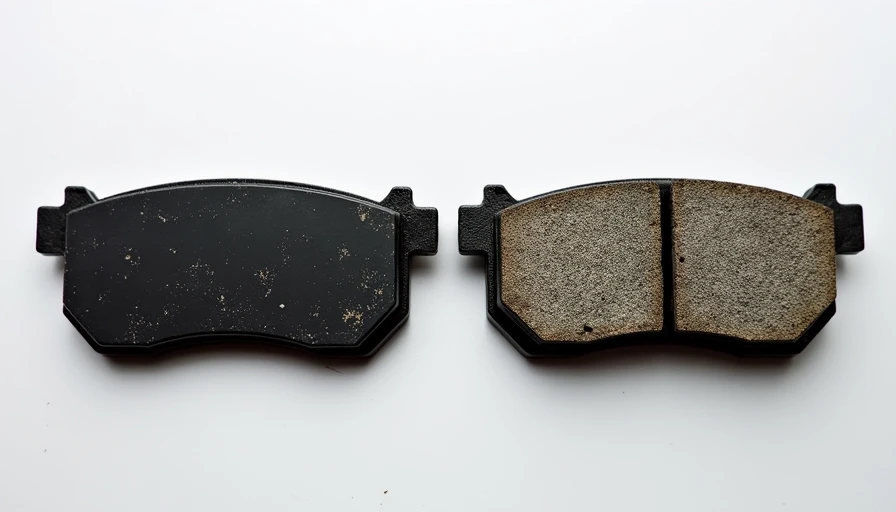
Most brake pads have a built-in wear indicator — a small metal tab designed to make contact with the disc when the pad material gets low. It produces a deliberate squeal or screech. If you hear a consistent high-pitched noise that changes or stops when you press the brake pedal, worn pads are the most likely cause.
Contamination
Brake dust, road dirt, and small debris can get trapped between the pad and disc. This often causes an intermittent squeak or scraping sound that comes and goes. It is more annoying than dangerous, but worth cleaning out if it persists.
Glazed pads or discs
If brakes have been overheated — through heavy use, long downhill braking, or a sticking caliper — the pad surface can harden and become glossy. This is called glazing. Glazed pads lose some of their friction and often produce a squeak or squeal under light braking. They may still work, but performance is reduced.
Can You Still Drive It?
In most cases, yes — but you need to pay attention to what else is happening.
If the squeak is light, occasional, and the car brakes normally with no other symptoms, you can continue driving. Book an inspection when convenient, but it is not an emergency.
Get it checked sooner rather than later if:
The squeak has become consistent — every journey, every stop
It is getting louder or more persistent over days or weeks
You can hear it change pitch when you press the brake pedal harder or lighter
Stop driving and get it inspected immediately if:
The squeak has turned into a grinding or scraping sound — this usually means metal-on-metal contact, the pads are gone, and the discs are being damaged
The brake pedal feels soft, spongy, or travels further than usual before the car slows down
The car pulls to one side under braking
You feel a vibration or pulsing through the brake pedal
The brake warning light is on
A grinding noise is the point where a pad replacement turns into a pad-and-disc replacement — and the bill doubles.
Common Causes
Here is what a garage will typically look for when a customer reports brake squeak.
1. Pad Material Noise
This is the "it's just how they are" cause. Some pads — particularly budget replacements or harder compound long-life pads — are noisier by design. The noise is annoying but not a safety issue. Switching to a different pad brand or compound usually solves it at the next pad change.
2. Worn Pads
The most common cause of a consistent brake squeal. The wear indicator is doing its job — telling you the pads are approaching the end of their life. The noise is designed to be irritating enough that you do something about it.
3. Surface Rust
UK weather means cars sit damp overnight regularly. A light rust film forms on brake discs within hours. The first few brake applications clear it, often with a brief squeak or scrape. This is completely normal and clears by itself. More common on cars parked outside than in garages.
4. Debris
A small stone, piece of grit, or brake dust buildup caught between the disc and the pad or between the disc and the backing plate. This often produces an irregular scraping or squeaking sound that can come and go. Sometimes it clears itself. Sometimes the wheel needs to come off to remove it.
5. Glazed Pads or Discs
Overheated brakes develop a hard, shiny surface that is less effective and more prone to noise. Glazing can happen from heavy motorway braking, towing, driving in hilly areas, or a sticking brake caliper that keeps the pad in constant light contact with the disc.
Warning Signs of a Serious Brake Issue
A squeak alone is rarely an emergency, but these symptoms alongside a squeak should not be ignored:
Symptom | What It Could Mean |
|---|---|
Grinding or scraping sound | Pads worn to metal, disc damage |
Soft or spongy brake pedal | Air in system, fluid leak, or master cylinder issue |
Car pulling to one side under braking | Sticking caliper, uneven pad wear, or brake hose problem |
Vibration through pedal | Warped disc |
Brake warning light on dash | Low fluid, pad wear sensor triggered, or system fault |
Burning smell from a wheel | Sticking caliper overheating the pad and disc |
Any one of these alongside a squeak means the car needs a proper brake inspection, not just a listen.
When to Get It Inspected
Use this as a rough guide:
Squeak that comes and goes, no other symptoms — Mention it at your next service. Not urgent.
Consistent squeak every time you brake — Book it in within the next week or two. Likely pads nearing end of life.
Squeak turning into a scrape or grind — Book it in now. Every mile is adding cost.
Any of the serious symptoms above — Don't delay. Brakes are not the system to gamble with.
Typical Repair Outcomes
Most brake squeak investigations end in one of a few predictable outcomes:
Outcome | Typical UK Cost |
|---|---|
Inspection only — nothing wrong, just pad material noise | £0 – £30 |
Brake clean and de-glaze | £40 – £80 |
Front pad replacement | £100 – £180 |
Front pads and discs | £180 – £300 |
Rear pad replacement | £90 – £160 |
Full brake service (pads, discs, fluid) | £300 – £500+ |
Prices vary by region, vehicle, and whether you use an independent garage or a main dealer. A Ford Fiesta or Vauxhall Corsa will sit at the lower end. A larger or premium vehicle will cost more.
Bottom Line
Brake squeak is one of those noises that can be nothing at all — or the first sign your pads are finished. The key is pattern: occasional light squeak that clears after a few stops is probably harmless. A consistent squeal that is getting louder or changing is your pads asking to be changed. A grind is a bill that is getting bigger every time you drive.
If in doubt, get the brakes inspected. It is usually quick, often cheap, and always cheaper than waiting until metal meets metal.
Fix the problem, not the panic.