
What Counts as "Abnormal" Fuel Consumption
Every car has a natural variation in fuel economy. Winter is worse than summer. Town driving burns more than motorway cruising. A full load uses more than an empty car. These are normal.
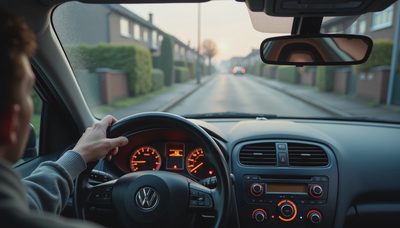
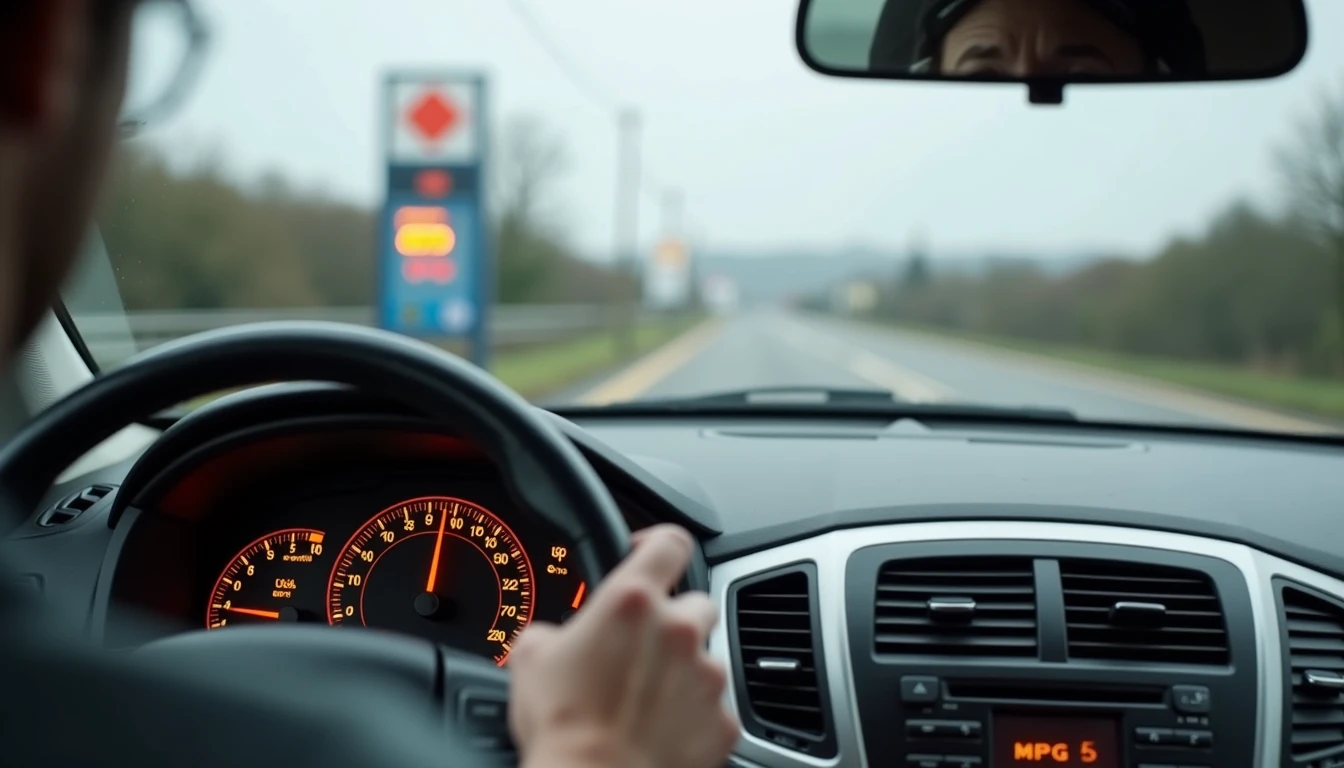
What is not normal: a sudden, noticeable drop in MPG that cannot be explained by season, journey type, or load. If you are filling up more often than you did a month ago and nothing obvious has changed in how you use the car, something is causing the engine to work harder or run less efficiently.
A drop of 10-15% or more that persists across several tanks is worth investigating. One bad tank after sitting in traffic all week is not.
Short Answer
Most of the time, poor fuel economy is caused by something simple — low tyre pressure, a dirty air filter, or a change in driving pattern you have not accounted for. But in some cases, it is a sensor fault, a sticking brake, or a DPF issue silently draining your wallet at the pump. The good news: the majority of causes are fixable without major expense.
Can You Still Drive It?
Yes, almost always.
Poor fuel economy on its own — with no warning lights, no strange noises, and no change in how the car drives — is not a reason to stop driving. You are paying more at the pump, but the car is not about to leave you stranded.
The risk is not in continuing to drive. It is in ignoring the underlying cause. A faulty sensor that causes rich running can eventually damage the catalytic converter. A sticking brake caliper that drags constantly will wear the pad and disc prematurely. A DPF that never gets a chance to regenerate will eventually block. The fuel bill is the symptom. The root cause is what matters.
Common Causes
Here is what typically comes up in a UK workshop when a customer reports unexpectedly high fuel consumption.
1. Low Tyre Pressure
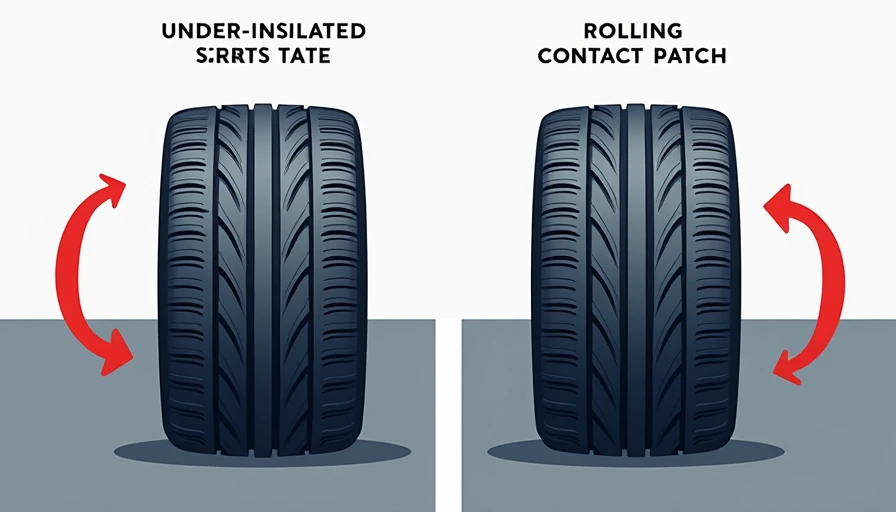
The simplest and most overlooked cause. Under-inflated tyres increase rolling resistance. The engine has to work harder to maintain speed. A drop of 5-10 PSI across all four tyres can knock several MPG off your fuel economy. Check pressures when the tyres are cold. On many UK family cars, the correct pressures are listed on a sticker inside the driver's door frame or fuel filler cap. Check them every few weeks — not just at the MOT.
2. MAF or Oxygen Sensor Faults
The mass airflow sensor and oxygen sensors tell the ECU how much fuel to deliver. A dirty MAF sensor can under-report airflow, causing the engine to run lean — and the ECU compensates by adding fuel elsewhere. A failing lambda sensor can report incorrect exhaust oxygen levels, causing the ECU to enrich the mixture unnecessarily. Neither fault necessarily triggers a warning light. The car might drive perfectly normally while burning significantly more fuel than it should.
3. Driving Pattern Changes
Be honest with yourself: have your journeys changed? More short trips, more town driving, more time spent idling in traffic, more use of air conditioning or heated screens during a cold snap — all of these increase fuel consumption noticeably. A car that was doing 45 MPG on a motorway commute might drop to 32 MPG if the same car is now doing three-mile school runs from cold. That is not a fault. It is physics.
4. Servicing Overdue
A clogged air filter restricts airflow and makes the engine work harder. Old oil increases internal friction. Worn spark plugs cause incomplete combustion. A car that is overdue for a service is almost certainly less fuel-efficient than one that is maintained on schedule. If your service interval has slipped by thousands of miles, start by catching up on the basics.
5. DPF Regeneration Behaviour (Diesel)
Diesel Particulate Filters need to regenerate — a process that burns off accumulated soot by injecting extra fuel to raise exhaust temperature. This happens automatically on longer journeys. On cars used mainly for short trips, the DPF never gets hot enough to complete a full regeneration cycle. The ECU will keep trying, dumping extra fuel into the engine repeatedly. The result: poor fuel economy, rising oil level (from unburnt fuel draining into the sump), and eventually a blocked DPF warning. This is one of the most common fuel economy complaints on modern diesel cars in the UK.
6. Sticking Brake Caliper
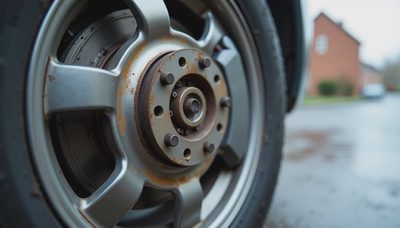
If one brake caliper is sticking and the pad is in constant light contact with the disc, the car is effectively driving with the brakes slightly on. You may not notice it while driving — but you will notice it at the pump. Signs include: one wheel hotter than the others after a drive, the car pulling slightly to one side, or uneven brake pad wear at the next service.
7. Other Contributing Factors
Roof racks and roof boxes add aerodynamic drag, especially at motorway speeds. A failing thermostat that keeps the engine running cooler than it should will increase fuel consumption because the ECU stays in warm-up enrichment mode. Using the air conditioning constantly in summer or the heated rear screen and heated seats in winter both add electrical load and increase fuel use. Even a boot full of heavy clutter adds weight and burns more fuel over time.
When Poor Economy Signals a Bigger Issue
A higher fuel bill is annoying. But sometimes it points to a developing problem that will cost more if ignored.
Pay attention if the increased fuel consumption is accompanied by:
Black smoke from the exhaust (diesel): Over-fueling, possibly from a boost leak or injector fault
Strong petrol smell: Running rich, fuel leak, or evaporative emissions fault
Engine warning light on: Sensor fault, emissions issue, or misfire
Rough idle or hesitation: Misfire or air-fuel mixture problem
Oil level rising (diesel): Unburnt fuel from failed DPF regeneration contaminating the oil — this dilutes the oil and risks engine damage
Any of these alongside poor fuel economy means the car needs proper diagnostics, not just a tyre pressure check.
What Owners Can Check First
Before paying for diagnostics, do these free or cheap checks:
Tyre pressures. Cold check all four. Do not forget the spare if it is a full-size wheel in use.
Roof rack or roof box. If it is not in use, take it off. The drag penalty is real at motorway speeds.
Boot load. Clear out unnecessary weight. A boot full of tools, sports kit, or forgotten clutter adds up.
Air filter. Pop the air filter housing open and check if the filter is dirty or clogged. A replacement is cheap and takes minutes on most cars.
Journey patterns. Note what kind of driving you have been doing recently compared to when fuel economy was better.
Dashboard warnings. Check for any lights — including ones that come on briefly and go off. The codes may still be stored.
When to Book Diagnostics
If the simple checks above do not explain the drop, and the poor fuel economy persists across two or three tanks, book it in. Ask the garage to:
Read fault codes, even if no warning light is on
Check live data from MAF, lambda, and fuel trim sensors
Inspect for dragging brakes on all four wheels
Check the thermostat is reaching and holding correct operating temperature
A diagnostic session costs less than filling the tank every week when the car is burning 20% more fuel than it should.
Possible Repair Cost Range
Cause | Typical Repair Cost (UK) |
|---|---|
Tyre inflation (free at most garages) | £0 |
Air filter replacement | £25 – £50 |
MAF sensor cleaning | £30 – £60 |
Lambda sensor replacement | £120 – £250 |
Spark plug set | £60 – £120 |
Brake caliper replacement | £180 – £350 |
Thermostat replacement | £120 – £300 |
DPF forced regeneration | £100 – £200 |
DPF replacement (if blocked beyond recovery) | £600 – £1,500+ |
Bottom Line
A car suddenly burning more fuel is usually fixable — and often it is something simple. Start with tyres, air filter, and an honest look at your recent journeys. If those do not explain it, let a garage read the live data. Running rich for months costs more in fuel than a diagnostic session ever will. The car is telling you something. Listen before the small cause becomes a bigger bill.
Fix the problem, not the panic.