
What This Noise Usually Sounds Like
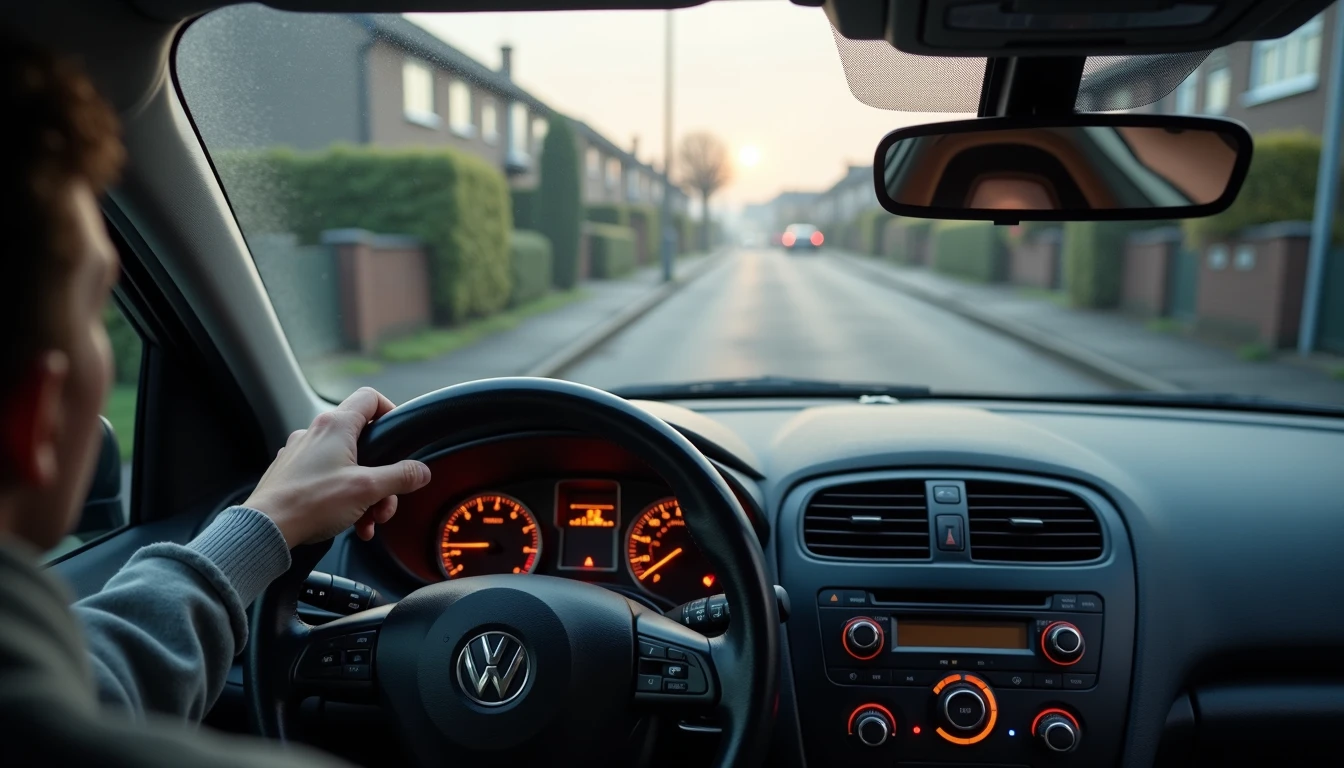
A rattling noise on startup is brief — it happens in the first second or two after the engine fires, then fades or disappears as the engine settles into idle. Drivers describe it as a metallic rattle, a clatter, or a short grinding sound that seems to come from the engine bay or somewhere underneath the car.
The timing matters. A noise that appears only during the actual cranking or the first moments after the engine catches is a different set of suspects from a noise that continues once the engine is running.
Can You Still Drive It?
It depends on the pattern — and the underlying cause.
If the rattle is brief, quiet, only happens on a cold start, and disappears within a second or two, you can almost certainly continue driving. Many engines do this as they age. It is worth mentioning at the next service, but it is not an emergency.
Get it checked sooner rather than later if:
The rattle is getting louder or lasting longer than it used to
It now happens on warm starts too, not just cold starts
You notice it accompanied by a rough idle or hesitation when pulling away
Stop driving and get it recovered if:
The rattle is loud, metallic, and sounds like something is loose inside the engine
The engine warning light is on or flashing
The noise continues and gets louder when you rev the engine
You notice a loss of oil pressure warning or the oil light flickering
Most Likely Causes
Here is what a garage will typically investigate when a customer reports a startup rattle.
1. Timing Chain Rattle (Top Suspect)
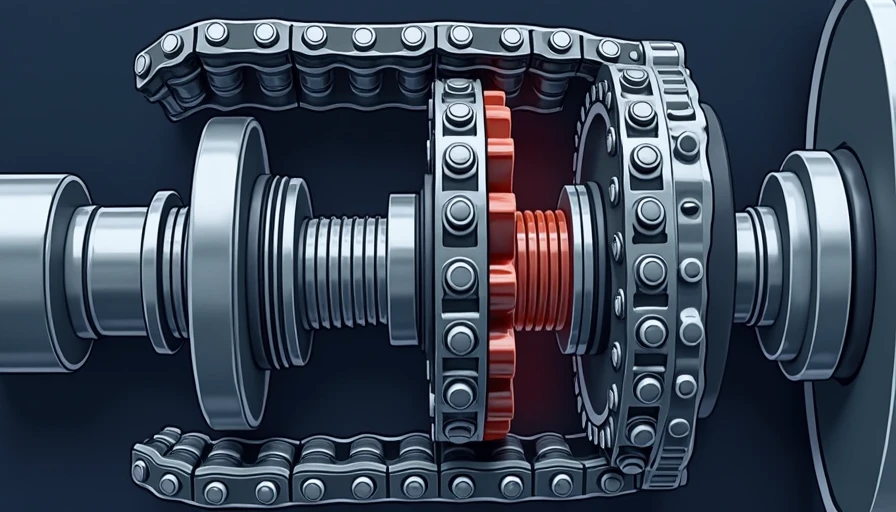
This is the one that comes up most often — and the one that worries people most. On engines with a timing chain rather than a belt, a brief rattle on cold start is often the chain tensioner losing oil pressure overnight. The tensioner relies on oil pressure to keep the chain tight. When the engine is off, oil drains back. On startup, there is a split second before pressure builds and the tensioner takes up the slack. That moment of loose chain produces a metallic rattle.
On many engines — including certain BMW, Mini, Vauxhall, and VW Group units — this is a known characteristic. A rattle that lasts under a second on a cold start and disappears immediately is often considered normal wear and tear on a higher-mileage engine. It does not mean the chain is about to fail.
A rattle that lasts several seconds, gets louder over time, or happens on every start regardless of temperature is a different matter. That can indicate a failing tensioner, a stretched chain, or worn guides — and those need addressing before the chain jumps timing.
2. Exhaust Heat Shield
One of the most common and least serious causes. Heat shields are thin metal panels bolted around the exhaust system to protect the underside of the car from heat. Over time, the mounting points corrode and the shield loosens. On startup, when engine vibration is at its highest, a loose heat shield can produce a metallic buzz or rattle that settles as the idle drops. This is especially common on UK cars where road salt accelerates corrosion around the exhaust area.
The good news: it is annoying, not dangerous. A garage can often secure or replace a heat shield clamp for minimal cost.
3. Starter Motor Not Disengaging
If the rattle or grinding noise happens during cranking rather than after the engine fires, the starter motor could be the issue. A worn starter pinion gear may not disengage cleanly from the flywheel once the engine starts. You will hear a brief grinding or rattling right at the moment the engine catches and you release the key.
If it only happens occasionally, you can usually live with it for a while. If it happens on every start, the starter motor is on its way out and should be replaced before it damages the flywheel ring gear — which turns a starter replacement into a gearbox-off job.
4. Low Oil or Oil Pressure Delay
An engine with low oil, old oil, or the wrong grade of oil can be slower to build pressure on startup. Hydraulic components — chain tensioners, valve lifters, variable valve timing actuators — rely on oil pressure. A delay in oil pressure reaching them can cause a brief rattle or tapping sound until everything is lubricated.
Check the oil level first. It sounds obvious, but a surprising number of startup rattles are solved by topping up the oil or switching to the correct grade at the next oil change.
5. Worn Engine Mount
A worn or sagging engine mount allows more engine movement on startup. When the engine fires and rocks against its mounts, metal components can briefly touch — producing a rattle or knock that sounds worse than it is. This type of noise is often felt through the car as much as heard. If the engine visibly rocks more than it should on startup, suspect a mount.
6. Catalytic Converter Breakdown
Inside the catalytic converter is a ceramic honeycomb. Over time, this can begin to break apart. On startup, the loose pieces can rattle inside the housing. This noise typically happens underneath the car rather than from the engine bay. It may also be heard when driving over bumps as the loose material shifts. A failing catalytic converter will eventually affect emissions and trigger a fault code.
How to Narrow It Down Before the Garage
A few simple observations can help your garage diagnose the problem faster:
Cold start vs warm start: Only when cold points towards oil drain-down — chain tensioner or hydraulic lifters. On every start suggests something mechanical like a heat shield, starter, or worn chain components.
How long does it last? Under a second and gone is often normal. Several seconds or more needs investigation.
Where does it sound like it is coming from? Engine bay top end suggests timing chain area. Underneath the car suggests exhaust or heat shield. Near the front lower area suggests starter motor.
Any warning lights? Check for engine management, oil pressure, or oil level warnings. Even if they go off after startup, the codes may be stored.
What a Garage Is Likely to Check
A technician will typically work through this order:
Listen to the noise with a stethoscope or listening tool to pinpoint the location
Check oil level, condition, and service history
Read fault codes for any stored timing-related or emissions codes
Inspect exhaust heat shields for corrosion and looseness
On chain-driven engines, assess tensioner condition and chain stretch via live data or inspection port
Check engine mount condition visually and under load
Possible Repair Cost Range
These are rough UK figures. Costs vary significantly by vehicle make and engine type.
Cause | Typical Repair Cost (UK) |
|---|---|
Heat shield repair or re-secure | £20 – £60 |
Oil change with correct grade | £60 – £120 |
Starter motor replacement | £200 – £400 |
Engine mount replacement | £150 – £300 |
Timing chain tensioner replacement | £300 – £600 |
Timing chain and tensioner full kit | £600 – £1,500+ |
Catalytic converter replacement | £300 – £800+ |
A timing chain replacement on some engines — particularly premium German brands — can run well over £1,000 due to parts cost and labour time. It is a major job. This is why the distinction between a brief cold-start rattle and a persistent one matters so much financially.
Bottom Line
A brief rattle on a cold start that disappears within a second is something to be aware of, not alarmed by. Many higher-mileage engines do it, and it does not automatically mean a big bill is imminent. But if the noise is getting louder, lasting longer, happening on every start, or accompanied by warning lights, don't file it under "I'll deal with it later." A failing timing chain tensioner is far cheaper to address than a chain that has jumped and taken the engine with it.
Fix the problem, not the panic.