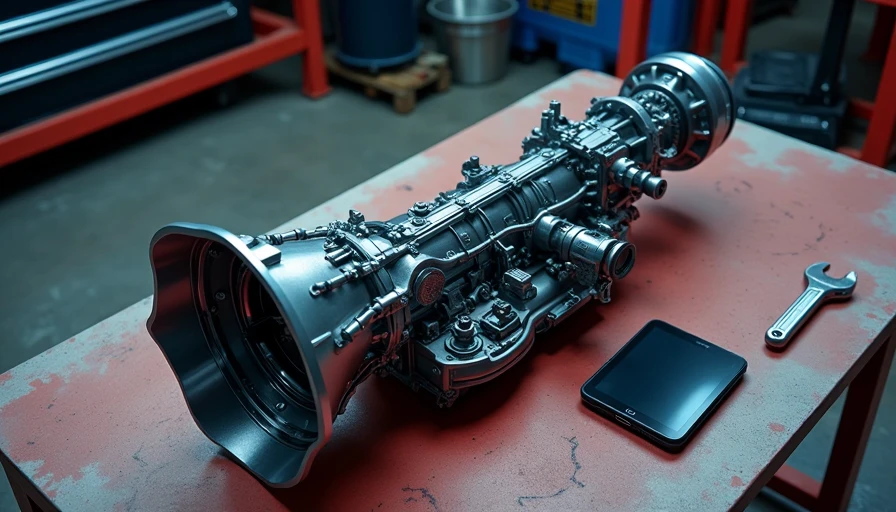

If you drive a Volkswagen, Audi, Seat, or Skoda with a DSG gearbox, you have probably seen DSG service mentioned in your service schedule and wondered what it actually involves. Knowing what is DSG service is important because it can save you from a very expensive gearbox repair down the road. In simple terms, a DSG service is a fluid and filter change for the dual-clutch automatic transmission found in many modern VW Group cars. It is not just an optional extra – it is a maintenance requirement that keeps the gearbox shifting smoothly and reliably. Many owners are surprised to learn that skipping this service can lead to jerky shifts, hesitation, and eventually total failure. This guide explains exactly what happens during a DSG service, when to book one, what it costs, and why you should not put it off.
What Exactly Is a DSG Gearbox?
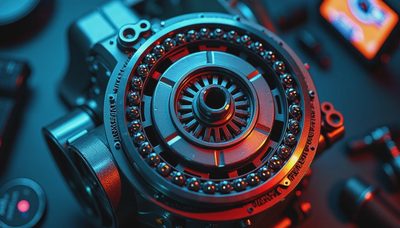
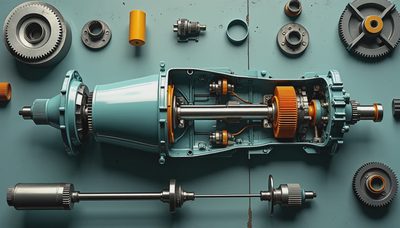
Before we talk about the service, let us quickly cover the gearbox itself. DSG stands for Direct-Shift Gearbox, a type of dual-clutch transmission that uses two separate clutches – one for odd-numbered gears and one for even gears. This design allows for lightning-fast gear changes without any interruption in power. It is a brilliant piece of engineering, but it is also more complex than a traditional automatic or manual transmission. The gearbox has a mechatronic unit that controls the clutches and gear selection, and that unit relies on hydraulic fluid under pressure. Over time, that fluid degrades and collects debris from normal wear. That is why a DSG service is necessary: to replace the fluid and filter so the mechatronic unit and clutches continue to work properly. Without fresh fluid, shift quality deteriorates and internal components wear faster.
What Does a DSG Service Involve?
A proper DSG service is not a simple drain and fill. The technician will remove the under-tray, drain the old fluid from the gearbox, replace the oil filter (which is internal on most DSG units), and refill with the correct specification fluid – usually a special synthetic gearbox oil. On some models, the fluid level must be checked at a specific temperature using a diagnostic tool. The service also includes inspecting the gearbox for leaks, updating software if any updates are available, and resetting the gearbox adaptation values so the transmission relearns its shift patterns. This is not a job for a back-street garage without the proper equipment; the VAG-specific fluid and the temperature-check procedure require experience and the right tools.
How Often Should You Service a DSG?
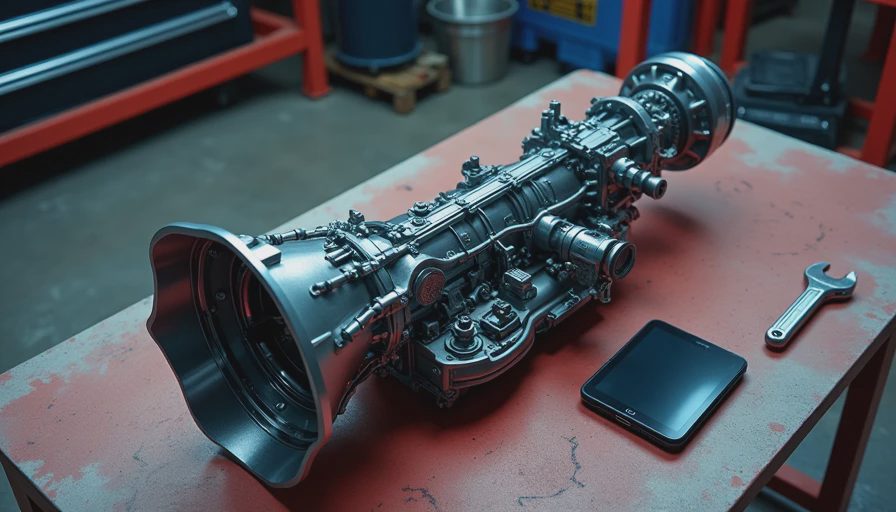
Service intervals depend on the age and model of the car. For most newer DSG gearboxes fitted from around 2009 onwards, the recommended interval is every 40,000 miles or 4 years, whichever comes first. Older six-speed DSG units sometimes had a 20,000-mile interval, but VW later updated that to 40,000 miles. However, if you do a lot of stop-start driving, heavy traffic, or towing, you might want to bring the interval forward. Some independent specialists suggest servicing every 30,000 miles for peace of mind. Check your owner's manual or ask a VW specialist to confirm what is right for your car. Ignoring the schedule is a false economy.
How Much Does a DSG Service Cost?
Prices vary depending on where you go and what model you drive. At a main dealer, expect to pay between £300 and £400 for a DSG service. Independent specialists who know VW Group cars typically charge £180 to £250. The main cost is the specialised fluid – it often costs around £12 to £20 per litre, and a DSG takes between 5 and 7 litres depending on the exact unit. The filter adds another £20 to £40. While £200 might seem steep for an oil change, compare that to a new DSG gearbox, which can easily set you back £3,000 to £5,000 fitted. The service is cheap insurance.

What Happens If You Skip DSG Service?
The consequences are not immediate, but they build up. Old fluid loses its hydraulic properties, making gear changes slower and jerkier. The mechatronic unit can start to malfunction due to contaminated fluid, leading to gear selection problems or warning lights. Eventually, clutches can slip or burn out. In the worst case, the gearbox can fail entirely, requiring a rebuild or replacement. I have seen cars come into the workshop with 80,000 miles and no DSG service history – the owners complain of hesitation and harsh downshifts. After a fluid change, most of those symptoms disappear. But if the damage is already done, a service may not be enough. You have been warned.
Should You Use a Main Dealer or an Independent Garage?
Both have their place. A main dealer will use genuine parts and have factory-trained technicians, but you pay a premium. A good independent specialist who works on VAG cars daily will use the same quality fluid and often more thorough procedures for a lower price. The key is to choose a garage that understands the DSG temperature-check procedure and has the diagnostic equipment to reset adaptations. Do not let a general garage just drain and fill without the proper checks – that can cause more harm than good.
Final Thoughts
If you own a DSG-equipped car and the service is due, do not delay. Understanding what is DSG service and why it matters can save you thousands of pounds. It is not an optional luxury – it is routine maintenance that keeps your gearbox healthy. Book it in, keep the receipt, and enjoy smooth shifts for many more miles.