


If you've ever stood in front of the oil shelf at Halfords or stared at a service invoice wondering whether to pay extra for fully synthetic oil, you're not alone. Understanding the difference between fully synthetic oil and semi-synthetic oil is key to making the right choice for your car. The type of engine oil you use affects everything from engine wear to fuel economy and service intervals. It's a decision that can save you money or cost you in the long run, depending on your driving habits and vehicle age.
What Is Fully Synthetic Oil?
Fully synthetic oil is a man-made lubricant engineered from chemical compounds. It offers superior performance compared to conventional mineral oils because its molecules are uniform in size and shape. This consistency reduces friction, improves thermal stability, and allows the oil to flow better at low temperatures. For modern engines with turbochargers, direct injection, or variable valve timing, fully synthetic oil is often the recommended choice. It can also extend oil change intervals, sometimes up to 20,000 miles or two years, though you should always follow your manufacturer's schedule.
Most premium brands like Mobil 1, Castrol Edge, and Shell Helix Ultra fall into this category. These oils typically meet high-performance standards such as ACEA C3 or VW 504.00. They cost more upfront — expect to pay around £50 to £80 for a 5-litre bottle at UK garages — but they provide better engine protection and longevity.

What Is Semi-Synthetic Oil?
Semi-synthetic oil, also called part-synthetic, is a blend of mineral base oil and synthetic additives. It offers a middle ground between conventional mineral oil and fully synthetic. The synthetic content improves viscosity and oxidation resistance compared to mineral oil, but the base still comes from crude oil. This makes it cheaper than full synthetic while still offering decent protection for many everyday cars.
For older engines or high-mileage vehicles, semi-synthetic oil is often a good fit. It provides adequate lubrication without the premium price tag. Common examples include Castrol Magnatec and Mobil Super 2000. Prices typically range from £30 to £45 for a 5-litre container. Many manufacturers recommend semi-synthetic for cars with simpler engine designs, like naturally aspirated petrol engines from the early 2000s.
Key Differences Between Fully Synthetic and Semi-Synthetic Oil
Understanding the difference between fully synthetic oil and semi-synthetic oil comes down to four main areas: performance, lifespan, engine protection, and cost.
- Performance – Fully synthetic oil handles extreme temperatures better. It stays thinner in cold starts and resists breakdown under high heat. Semi-synthetic can still perform well in moderate conditions but may degrade faster under heavy load, like towing or motorway driving.
- Lifespan – Full synthetic lasts longer. Many manufacturers recommend 12-18 month intervals. Semi-synthetic usually needs changing every 6-12 months or around 10,000 miles.
- Engine Protection – The uniform molecules in full synthetic reduce friction more effectively, which can lower engine wear and sludge build-up. Semi-synthetic is still protective but may not be sufficient for turbocharged or high-performance engines.
- Cost – Full synthetic costs 40-60% more than semi-synthetic at purchase. But if you consider longer intervals, the annual cost difference narrows.
Which Oil Should You Choose for Your UK Car?
For most UK drivers, the choice depends on your car's age and engine type.
- Newer cars (2010 onwards) – Especially turbocharged petrols and diesels, are often designed around fully synthetic oil. Using semi-synthetic could void the warranty or cause premature wear. Check your owner's manual or look for an ACEA specification sticker under the bonnet.
- Older cars (pre-2010) – Many run perfectly on semi-synthetic. For example, a 2005 Ford Focus 1.6 petrol or a 2008 Vauxhall Corsa 1.2 will typically be fine with a semi-synthetic 5W-30 or 10W-40.
- High-mileage engines – Semi-synthetic can be a sensible choice to keep costs down without sacrificing basic protection. Some older engines actually leak more with thin full synthetics, so a thicker semi-synthetic may seal better.
- Performance or modified cars – Stick with fully synthetic. The higher shear stability prevents oil breakdown under hard driving.
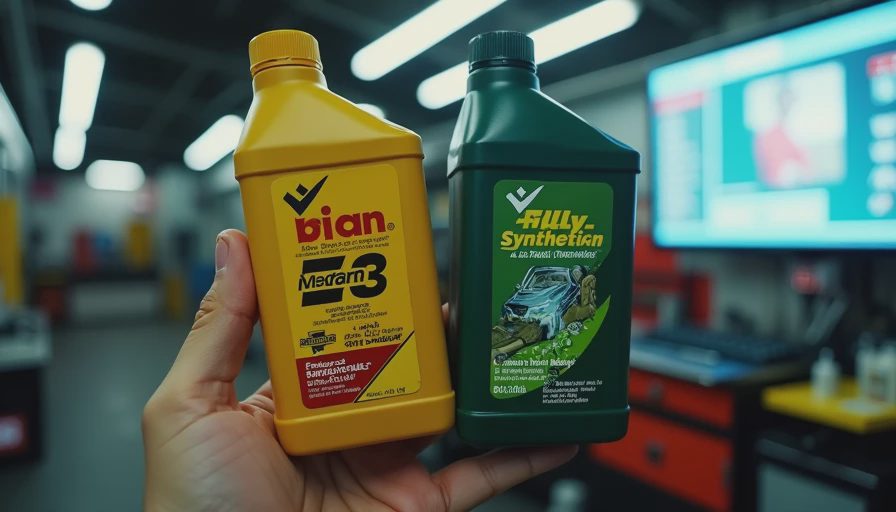
Cost Comparison: What You'll Actually Pay
Let's put some numbers on it. For a typical 2.0-litre petrol family car needing a 5-litre oil change:
- Fully synthetic: £50-£80 for oil, plus filter and labour if you're not doing it yourself.
- Semi-synthetic: £30-£45 for oil.
- Service interval: Full synthetic typically extends to 12-18 months, semi-synthetic to 6-12 months.
If you do two semi-synthetic changes a year vs one full synthetic, the annual oil cost might be similar (£60-90 vs £50-80). But you also save a filter and labour each time. So over three years, full synthetic can actually be cheaper and better for your engine.
The Verdict for UK Drivers
For most modern UK cars, fully synthetic oil is the better investment. It protects your engine, allows longer intervals, and performs well in our variable climate. If you drive an older car that doesn't demand full synthetic, or you're on a tight budget, semi-synthetic is a perfectly acceptable choice. Just don't try to save money by stretching semi-synthetic oil changes beyond 10,000 miles or a year.
Need more advice? Check your car's handbook or speak to a trusted local garage. A proper oil choice keeps your engine happy for years to come.
---
Garage Advisor UK is your practical guide to UK car ownership. Straight talk, no panic.