
What is DSG Transmission in VW? A Straight-Talking Guide for UK Owners
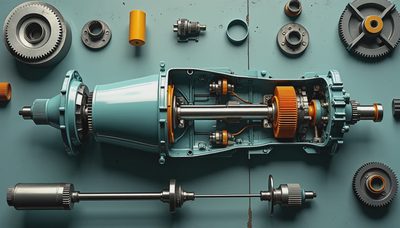
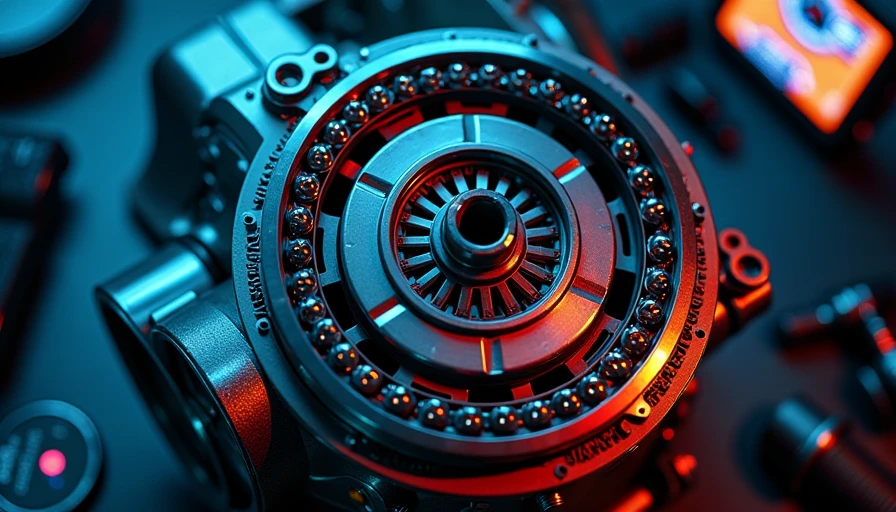
If you own or are considering buying a Volkswagen with a DSG gearbox, you have probably heard the term thrown around. But what is DSG transmission in VW, and do you need to worry about it? In short, DSG stands for Direct Shift Gearbox, a type of dual-clutch automatic transmission that VW has used across its range for years. It is found in cars like the Golf, Polo, Passat, and Tiguan. Unlike a traditional automatic, a DSG uses two separate clutches to pre-select the next gear, which means gear changes happen almost instantly. This makes the car quicker off the line and smoother on the move, but it also brings its own set of maintenance requirements and potential faults.
How the DSG Works in Practice
If you have driven a VW with DSG, you know the gear changes are snappy. That is because while one clutch is engaged (for the current gear), the other is ready with the next gear. For example, in a 7-speed DSG, one clutch handles odd-numbered gears (1,3,5,7) and the other handles even (2,4,6) plus reverse. As you accelerate, the computer swaps clutches seamlessly. It feels like a well-sorted automatic but with the efficiency of a manual. Most UK drivers find it a pleasure to use, especially in stop-start traffic where it takes the leg work out of clutching. And because the DSG shifts faster than a human can, it can improve acceleration and fuel economy compared to a traditional manual. For everyday commuting, many owners prefer the DSG over a manual for its convenience without sacrificing performance.
Common DSG Faults and Repair Costs
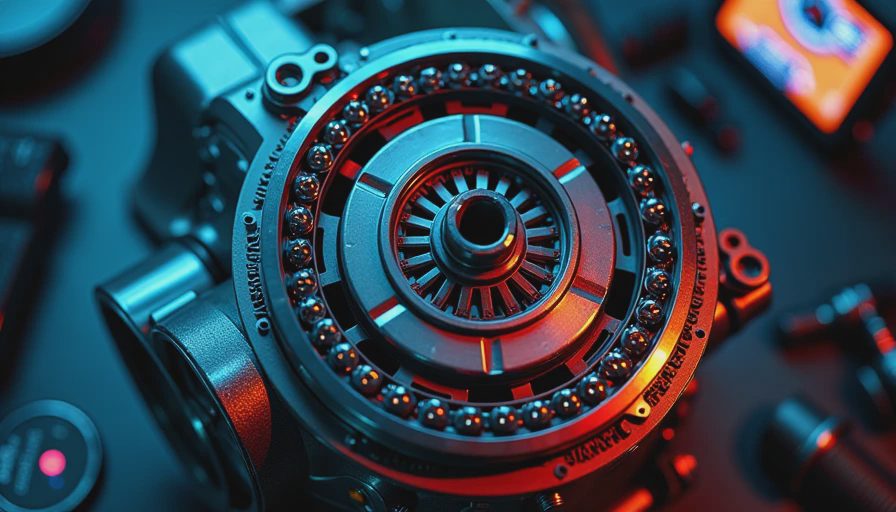
Now, not everything is rosy. Common DSG problems include the mechatronic unit (the electro-hydraulic brain) failing, clutch pack wear, and oil contamination. The mechatronic unit can cause jerky shifts, delayed engagement, or warning lights. Replacing one at a main dealer can set you back £1,500 to £2,500. A specialist might do it for £800 to £1,200. Clutch pack wear is more gradual – you might notice a shudder when pulling away or a slipping sensation under load. That repair is typically £600 to £1,000. Then there is the DSG oil. Unlike a manual gearbox, the DSG has a separate oil circuit for the gearbox and the mechatronic unit. It needs changing every 40,000 miles or 4 years, whichever comes first. Skipping this is a common cause of premature failure. A DSG oil change costs around £200–£300 at an independent garage. It is not optional if you want the gearbox to last. Many owners ask what is DSG transmission in VW and whether it is reliable, and the answer hinges on proper maintenance.
So, is a VW with DSG reliable? The answer depends on how the car has been treated. If it has had its oil changes on time and has not been hammered from cold, a DSG can easily cover 150,000 miles without major issues. But many used VWs come with patchy service histories, and that is where the reputation for expensive faults comes from. If you are buying a used Golf or Passat with DSG, ask for proof of DSG oil changes. If the seller cannot provide it, budget for one immediately and factor in the risk of future mechatronic problems. I have seen plenty of high-mileage DSGs that run perfectly because the owners stuck to the schedule.
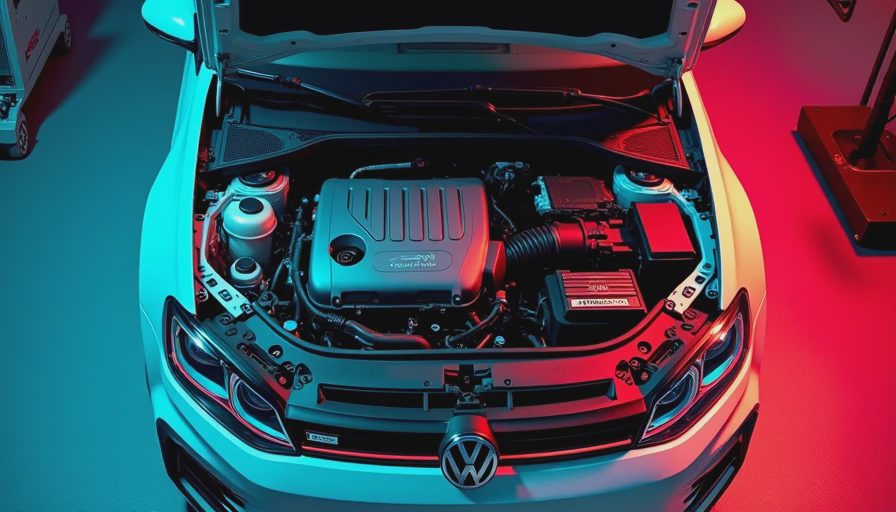
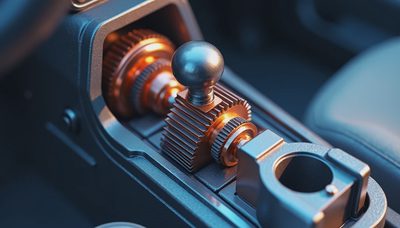
What about driving in the UK? The DSG is well suited to British roads. In town, it shifts smoothly and saves fuel compared to a torque-converter automatic. On the motorway, the long gearing keeps revs low. The gearbox also has a manual mode via the gear lever or paddles (on Sport models) so you can override it for a more engaging drive. Some owners prefer the DSG to a manual for everyday commuting. But be aware: towing with a DSG is fine if you use the correct mode and do not overload it. Check your owner manual for towing limits.
Common Questions About VW DSG Transmission
Q: What is DSG transmission in VW and how does it differ from a regular automatic?
A DSG uses two clutches, so gear changes are faster and there is no torque converter. This makes it more fuel-efficient and quicker-shifting than a traditional automatic, but it also requires more precise maintenance.
Q: Can I drive a DSG in stop-start traffic without worrying about wear?
Yes, the computer handles clutch engagement smoothly. In heavy traffic, keep it in D or S mode; avoid creeping with the brake half-depressed, as that can overheat the clutches. Use Auto Hold if available.
Q: Should I buy an extended warranty for a used VW with DSG?
Given potential repair costs, a warranty from a reputable provider is wise. Many specialist policies cover mechatronic failures up to £1,000–£1,500. Check the terms for DSG-specific cover.
Q: Is it safe to remap a DSG-equipped VW for more power?
The DSG can handle modest increases, but a remap that exceeds torque limits can accelerate clutch wear or damage the mechatronic unit. Always consult a tuner who understands DSG limits.
Q: How often should DSG oil be changed?
Every 40,000 miles or 4 years, whichever comes first. This is vital for long-term reliability. Neglecting it is the main reason DSG units fail prematurely.
To sum it up: what is DSG transmission in VW? It is a clever, responsive gearbox that makes driving easier and can improve performance. But it is not a fit-and-forget automatic. It needs regular DSG oil changes and careful maintenance. If you look after it, it will look after you. If you ignore it, it can cost you thousands. My advice is to treat it like an additional service item and factor that into your ownership budget. For most drivers, the benefits outweigh the risks – just don’t skip that oil change.
Martin Hale
Garage Advisor UK