
If you're looking at a used Volkswagen, you've probably seen the term DSG and asked yourself: what is dsg gearbox volkswagen? It's a dual-clutch automatic transmission that provides quick gear changes and better fuel economy than a traditional automatic. But like any complex component, it has its own maintenance needs and potential problems. This guide explains what DSG is, how it works, what goes wrong, and whether a VW with DSG is worth your money.
How a DSG Gearbox Works
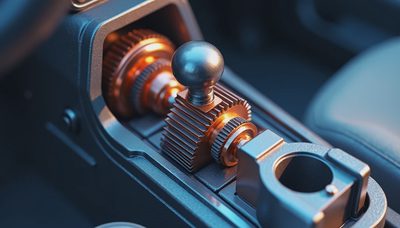
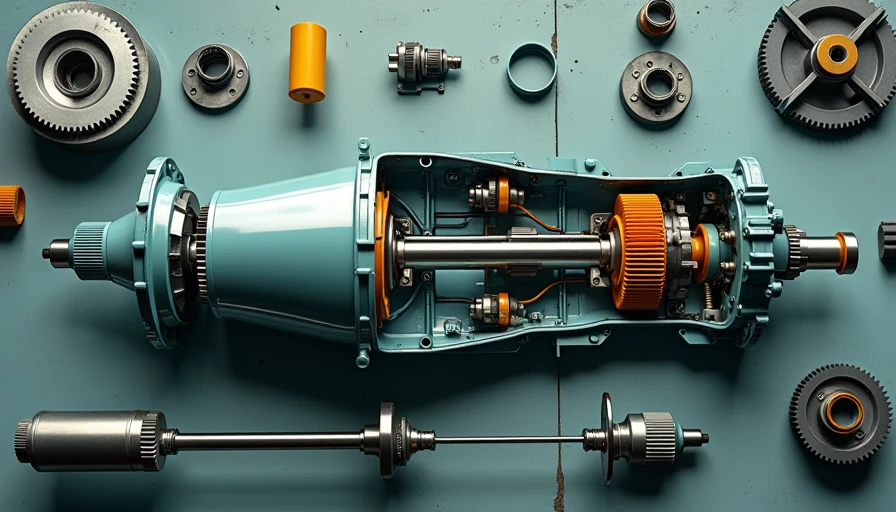
DSG stands for Direct Shift Gearbox. It's a type of dual-clutch transmission (DCT) developed by Volkswagen Group. Unlike a conventional automatic that uses a torque converter, a DSG uses two separate clutches—one for odd-numbered gears and one for even-numbered gears. While you're driving in one gear, the next is already pre-selected. That's why shifts are nearly instant and without any interruption in power.
Volkswagen has used DSG in models like the Golf, Passat, Polo, Tiguan, and many others since the early 2000s. There are two main types: a 6-speed wet-clutch version (DQ250) used in higher-torque cars, and a 7-speed dry-clutch version (DQ200) used in smaller engines. The wet-clutch runs in an oil bath for better cooling, while the dry-clutch is lighter but can be more sensitive to heat.
Common DSG Problems to Watch For
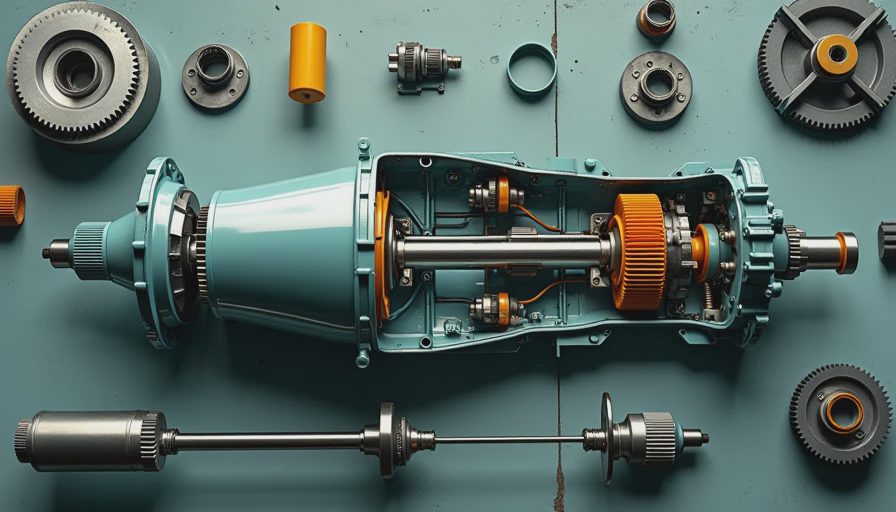
No transmission is perfect, and DSGs have a few well-known issues. The most common complaint is jerky or hesitant low-speed behavior, especially in stop-and-go traffic. That's often normal—the gearbox can be clumsy at parking lot speeds. But if it gets worse over time, it could mean the clutch packs are wearing or the mechatronic unit is failing.
The mechatronic unit is the brain of the DSG. It controls clutch engagement and gear selection. When it fails, you may see warning lights, harsh shifts, or a complete loss of drive. Replacing a mechatronic unit can cost anywhere from $1,500 to $3,000, depending on the shop and parts. The dry-clutch DQ200 models are more prone to mechatronic failures than the wet-clutch versions.
Another issue is clutch judder or slipping. This often happens when the car has been driven gently for a long time—the clutches don't fully engage and start to glaze over. A spirited drive on a back road can sometimes clean them up, but if the judder persists, you're looking at a clutch replacement. For a wet-clutch DSG, that's a transmission-out job with a price tag of $2,000 or more at a specialist.
DSG Maintenance: What You Need to Know
Here's the good news: DSG problems are often preventable with proper maintenance. Volkswagen recommends a DSG oil change every 40,000 miles for wet-clutch transmissions. For the dry-clutch DQ200, there's no oil change interval for the gearbox itself, but the clutch actuator oil should be checked and changed if needed.
Why is the DSG oil change so important? The oil in a wet-clutch DSG does double duty: it lubricates the gears and cools the clutches. Over time, it breaks down and picks up clutch material, which can clog filters and cause solenoid wear. If you buy a used VW with 60,000 miles and no record of a DSG service, that should be your first priority. It costs around $300-$500 at a specialist shop—cheap insurance compared to a transmission rebuild.
Also, use the correct oil. DSG gearboxes need specific VW-approved fluids, not generic automatic transmission fluid. Using the wrong oil can cause shifting problems or damage the mechatronic unit. Always check the owner's manual or ask a VW specialist.
Is a DSG Volkswagen Worth Buying?
Yes, if you go in with your eyes open. A well-maintained DSG is smooth, quick, and gives you excellent fuel economy. Many drivers prefer it over a traditional automatic because it feels sportier and more responsive. Resale value is also good—DSG-equipped VWs are popular in the used market.
But don't ignore the potential costs. If you're looking at a 10-year-old Passat with 100,000 miles and no service history, you could be buying a $2,500 repair bill. On the other hand, a car with full DSG service records is a safer bet. Get a pre-purchase inspection from a VW specialist who can check for mechatronic codes and clutch wear. They'll know exactly what to look for.
Ultimately, understanding what is dsg gearbox volkswagen means knowing both the advantages and the risks. For the average driver, a DSG car that's been properly maintained is a solid choice. Ignore the transmission's needs, and you'll learn an expensive lesson. Keep up with the service schedule, and your DSG will likely outlast the rest of the car.
Final Thoughts on DSG Gearbox Volkswagen
To sum up: the DSG is an innovative dual-clutch transmission that offers quick shifts and better fuel economy, but it requires specific maintenance and has known weak points like the mechatronic unit and clutch wear. If you're considering a used Volkswagen with DSG, make sure it has a documented service history. And if you already own one, don't skip the 40,000-mile oil changes. A little preventative care goes a long way toward avoiding a costly replacement.