

The Temptation That Costs
Everyone wants to spend less on car repairs. When a garage gives you a quote and a friend-of-a-friend offers to do it for half the price, or an online parts supplier sells a budget alternative for a fraction of the cost, the cheaper option is genuinely tempting. Sometimes it works out. Often it does not.
This is not about the expensive option always being the right one. It is about understanding where cheap becomes false economy — where spending less now guarantees spending more later. I have seen it play out hundreds of times. The patterns are predictable, and they are avoidable.
Cheap Parts vs Correct Parts
Not all parts are created equal. A budget brake pad and an original equipment pad look similar in the box. They both fit the car. They both stop the car. The difference shows up over time.
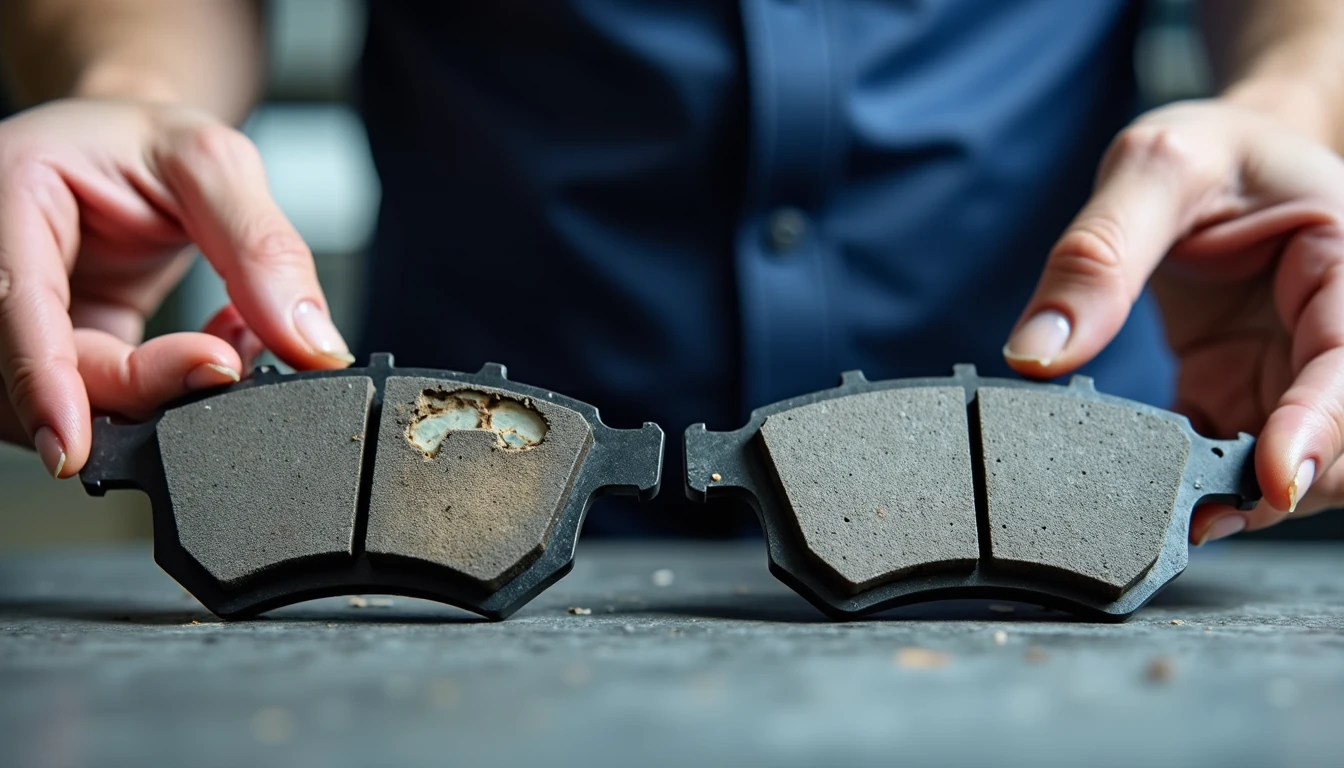
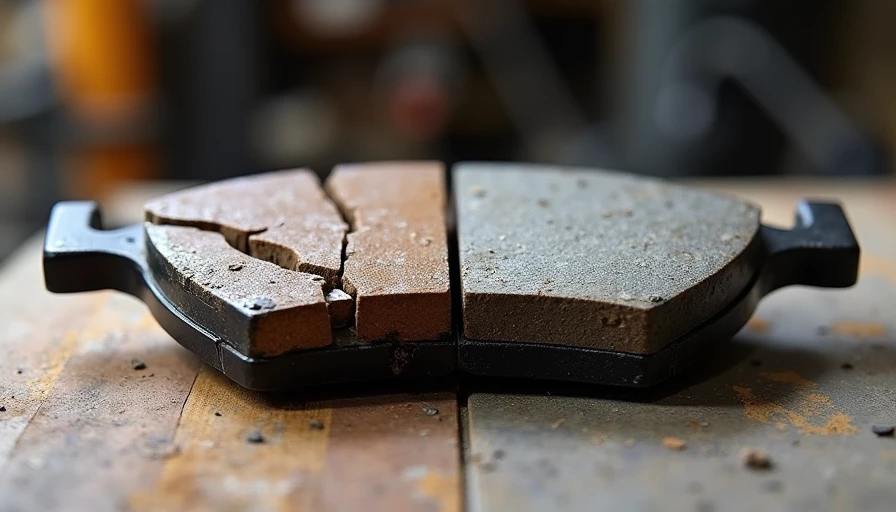
Cheap brake pads often use a harder friction compound with less consistent material. They can be noisier, produce more dust, and wear the brake disc unevenly. A set of budget pads might save you £30 today but cost you a full set of discs and pads in 15,000 miles because the discs have been scored or warped. The correct pads would have lasted longer, performed better, and not damaged the discs.
Cheap suspension components — drop links, wishbones, ball joints — wear faster. A budget wishbone might cost £50 instead of £120, but if it needs replacing again in 18 months while a quality part would have lasted five years, you have not saved £70. You have paid £50 now plus another £50 in 18 months, plus labour twice. The quality part would have been cheaper by the second year.
Cheap sensors — lambda sensors, MAF sensors, ABS sensors — are notorious. A budget lambda sensor can send incorrect readings that cause the ECU to adjust the fuel mixture incorrectly. The car runs rich, fuel economy drops, and the catalytic converter eventually suffers. The £40 saved on a sensor becomes a £400 catalytic converter replacement. The ECU relies on accurate data. Feed it bad data from a cheap sensor, and the whole engine management system compensates in ways that cost far more than the sensor saving.
Cheap oil filters can collapse internally, restricting oil flow. A collapsed filter starves the top end of the engine. The repair is no longer an oil change. It is an engine rebuild. The filter cost difference was perhaps £4.
The rule is not "always buy the most expensive part." It is "buy the correct quality part for the job." Original equipment, reputable aftermarket brands with proven quality, or parts specifically recommended by a garage you trust. The price difference is often the cost of the part doing its job properly for its full service life, versus failing early and taking something else with it.
Guesswork vs Diagnosis
This is where the real money gets wasted. A proper diagnosis costs £50–£80 and tells you what is actually wrong. Skipping diagnosis and replacing parts based on guesswork can cost hundreds and still leave the fault unfixed.
I saw a customer who had a check engine light and a rough idle. A well-meaning friend read the code with a cheap scanner, saw a misfire code, and recommended replacing all four ignition coils. That cost about £160 in parts. The misfire remained. The actual fault was a vacuum leak — a split hose that cost £15 to replace. The correct approach would have been 30 minutes of diagnostic labour to identify the vacuum leak, followed by the £15 fix. Instead, £160 was spent on parts that were not needed, and the car still ran poorly. The false economy was not just the wasted parts cost. It was the delay in fixing the real problem while the engine continued running with an incorrect air-fuel mixture.
Diagnosis is not a cost. It is the cheapest part of the repair. It prevents spending money on the wrong fix. A garage that charges for diagnosis is doing you a favour. They are not guessing. They are finding the cause before spending your money.
Repeat Labour Costs
The most overlooked cost in cheap repairs is the labour. If a part fails early, you pay to have it replaced again. The labour to replace a clutch is the same whether the clutch lasts 80,000 miles or 8,000 miles. The difference is how often you pay it.
A budget clutch kit might save £150 on parts. If it wears out in 30,000 miles instead of 70,000, you are paying the full labour charge twice in the same period that a quality clutch would have lasted once. The labour to do a clutch on a typical family car is £300–£500. Saving £150 on parts to incur £300–£500 in extra labour later is not a saving. It is a loss disguised as one.
The same applies to any repair where labour dominates the bill: timing belts, suspension components, wheel bearings, exhaust sections. The part cost is often the smaller portion. The labour is the real expense. A cheap part that shortens the interval between labour charges is never a saving.
Temporary Fixes That Become Permanent Problems
Some repairs are designed to be temporary. They get treated as permanent, and the consequences unfold slowly.
Puncture repair sealant injected into a tyre can get you to a garage. It is not a permanent repair. Left in the tyre, it can corrode the wheel rim, unbalance the tyre, and cause vibration. The tyre eventually needs replacement and the rim may need refurbishment. A proper puncture repair — a plug and patch from the inside — costs £20–£30. The sealant saves that cost temporarily and risks a £100+ wheel and tyre replacement later.
Exhaust repair paste and bandages can patch a small hole for an MOT or to buy time. Left indefinitely, the exhaust continues to corrode around the patch. What was a repairable small hole becomes a section replacement. The temporary fix did its short-term job but became a long-term problem through neglect.
Coolant stop-leak additives poured into the radiator can temporarily seal a small leak. They can also clog the heater matrix, restrict coolant flow in narrow passages, and reduce the efficiency of the entire cooling system. A £10 bottle of stop-leak can cause an overheating incident that warps the cylinder head. The head gasket repair that follows is a four-figure bill.
Temporary fixes have a purpose: buying time to do the job properly. They are not permanent solutions. Treating them as permanent is a gamble where the odds get worse the longer you wait.
Real Examples from the Service Desk
These are not hypothetical. They are the patterns I saw repeatedly.
The budget timing belt. A customer sourced their own timing belt kit online to save £80 on the garage's supplied price. The kit was unbranded. The tensioner failed after 14,000 miles. The belt slipped. The engine was destroyed. The saving: £80. The cost: a replacement engine at £2,200 fitted. The correct kit from a reputable brand would have been guaranteed and would have lasted the full interval.
The cheap brake job. A customer took their car to a budget fast-fit chain for front pads and discs at a heavily discounted price. Within 6,000 miles the discs were warped, causing vibration under braking. The budget parts were worn beyond their minimum thickness and needed replacing again. A quality set of discs and pads from the original garage quote would have cost £60 more but lasted 30,000–40,000 miles. The cheap job cost more per mile and caused two garage visits instead of one.
The DIY misdiagnosis. A driver replaced the battery, alternator, and starter motor chasing a no-start problem. The actual fault was a corroded earth strap — a £12 part and ten minutes of labour. Total spent on parts that were not needed: over £400. Proper diagnosis would have identified the earth strap in the first half hour.
When Spending Less Makes Sense
This is not an argument for always choosing the most expensive option. There are times when spending less is genuinely sensible.
Your car is near the end of its life. If the car is likely to be scrapped within a year, fitting a budget part that lasts 18 months is entirely rational. The part will outlast the car. Do not over-invest in a vehicle with limited remaining life.
The part is non-critical. A budget windscreen wiper, a cabin air filter, a cosmetic trim piece. If the consequence of failure is inconvenience rather than damage or danger, budget options can be fine.
The garage recommends a specific budget alternative. Some independent garages know which budget brands are acceptable and which are not. If a garage you trust says "this budget option is fine for your car," they have probably learned through experience. Trust that experience.
The key is knowing the difference between saving money and deferring cost. A genuine saving reduces your total spend over the time you own the car. A deferred cost only reduces today's spend and adds to tomorrow's.
Bottom Line
Cheap repairs are only cheap if they last. A budget part that fails early, a skipped diagnosis that leads to wrong parts, or a temporary fix treated as permanent does not save money. It rearranges the cost — from a smaller amount now to a larger amount later, usually with extra labour and often with collateral damage to other components. Spend where it matters: parts that affect engine health, safety, and components where labour dominates the bill. The cheapest repair is the one you only pay for once.
Fix the problem, not the panic.