

The Parts Cannon
There is a phrase in the trade: firing the parts cannon. It means replacing parts one after another until the problem goes away, rather than diagnosing the fault properly first. The customer pays for every shot.
The parts cannon is not diagnosis. It is guesswork at your expense. A coil pack is replaced. The misfire remains. An injector is next. The misfire remains. A compression test is finally done, and the fault is a burnt valve. The customer has paid for two sets of parts they did not need, plus the labour to fit them, and the real problem is still not fixed.
This happens more often than it should. Understanding how proper diagnosis works — and what it looks like — is one of the most effective ways to protect yourself from unnecessary spending.
How Real Diagnosis Works
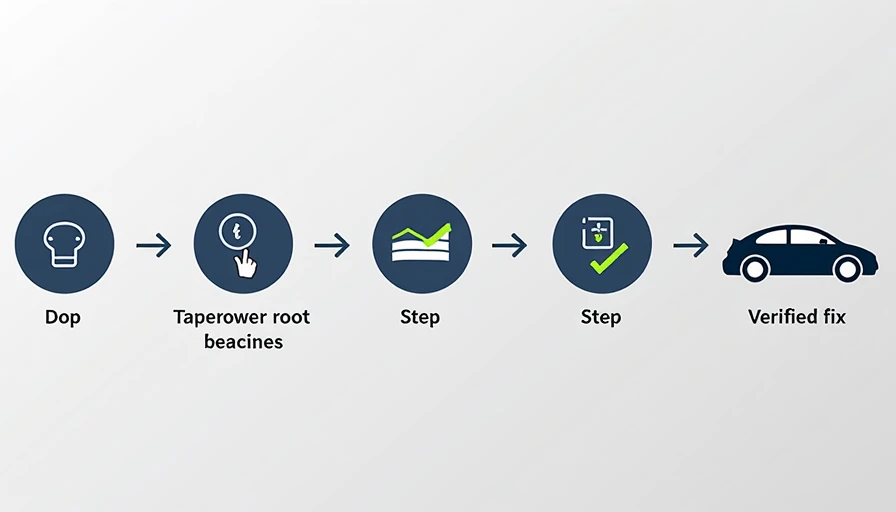
A proper diagnostic process follows a logical sequence. It is methodical, not hopeful.
Step one: gather information. The technician reads fault codes stored in the ECU. This tells them what the car's computer has detected — but not necessarily what has caused it. They also listen to your description of the symptoms. When does the problem happen? Under what conditions? Has it been getting worse? Your words matter.
Step two: look at live data. A fault code is a starting point, not a conclusion. A code for a misfire on cylinder three tells the technician which cylinder is misfiring. It does not tell them why. They now look at live data — fuel trims, oxygen sensor readings, misfire counters, manifold pressure, ignition timing — to understand what is happening in real time.
Step three: inspect and test. Based on the live data, the technician narrows down the possible causes and starts testing individual components. A vacuum leak is checked with a smoke test. An ignition coil is tested with an oscilloscope or by swapping it to another cylinder to see if the misfire follows. A fuel pressure test checks the pump and regulator. Each test eliminates possibilities.
Step four: confirm the root cause. Only when a specific component or system has been identified as faulty does the technician recommend replacement. The recommendation comes with evidence, not speculation.
Step five: verify the fix. After the repair, the technician checks the live data again, clears the codes, and road-tests the car. The problem is confirmed fixed, not assumed fixed.
This process takes time — typically 30 minutes to an hour for a straightforward fault. The diagnostic charge you pay is for this process. It is the cheapest part of the repair because it prevents you from paying for parts that do not solve the problem.
Why Parts-Swapping Is Not Diagnosis
Parts-swapping — replacing a component because it is a "common fault" on that model without confirming it has actually failed — is guesswork. Sometimes it works. The part was indeed faulty, and the problem is solved. That is luck, not skill. The customer paid for the right fix but paid for no diagnosis. If the guess is wrong, the customer pays for the wrong fix and still needs the right one.
I saw a car come in with an intermittent stalling problem. Another garage had replaced the crankshaft sensor, the camshaft sensor, and the fuel pump relay. The bill was already over £400, and the car still stalled. Our technician spent 45 minutes diagnosing the fault. The cause was a chafed wire in the engine loom that intermittently shorted to earth. The repair was a soldered connection and some insulation tape — £60 of labour. The total cost to the customer would have been far lower if the first garage had diagnosed rather than guessed.
Parts-swapping is tempting because it feels like action. The garage is doing something. Parts are being fitted. But replacing parts without confirming they are faulty is not fixing. It is experimenting, and you are funding the experiment.
Symptoms vs Root Causes
A symptom is what the car is doing. A root cause is why it is doing it. They are not the same thing, and confusing them is expensive.
Symptom: Black smoke from the exhaust on a diesel. Possible guesses: Injectors, turbo, EGR valve. Root cause: A split boost hose causing a loss of intake pressure. The ECU is injecting fuel for air that never arrives. The smoke is the symptom. The split hose is the root cause. Replacing injectors would not have fixed it.
Symptom: Battery keeps going flat. Possible guesses: Battery, alternator. Root cause: A glovebox light staying on when the lid is closed. The drain is parasitic. The battery and alternator were fine. Replacing either would have been a waste of money.
Symptom: Vibration through the steering wheel at motorway speed. Possible guesses: Wheel balancing, tracking, warped discs. Root cause: A tyre with a separated internal belt. The tyre looked fine externally. Balancing the wheels would have masked the symptom briefly. The vibration would have returned.
A good technician treats the symptom as a clue, not a diagnosis. They follow the clue to the root cause. A poor technician treats the symptom as a shopping list.
What a Good Garage Explains Clearly
When a garage has properly diagnosed a fault, they should be able to explain it to you in plain English. This is not an optional extra. It is part of the service you are paying for.
A good garage will tell you:
What fault code was stored, and what it means in simple terms
What live data readings led them to the diagnosis
What tests they performed to confirm the faulty component
Why they are confident the recommended repair will fix the problem
What the risks or consequences are if the repair is not done
A garage that cannot or will not explain these things is either guessing, does not understand the fault themselves, or does not think you deserve to know. None of those is acceptable.
The explanation does not need to be technical. "The oxygen sensor after the catalytic converter is reading incorrectly. The voltage should be steady, but it is fluctuating. That means the sensor has failed and is sending wrong information to the engine computer" is clear, informative, and justifies the repair. "Your lambda sensor needs replacing, it is a common fault on these" is a guess.
What Owners Should Ask
When a garage recommends a repair, you have the right to understand what you are paying for. Here are the questions that separate diagnosis from guesswork.
"What fault code was stored, and what did the live data show?"
A garage that has diagnosed the fault properly can answer this immediately. A garage that is guessing will give a vague answer. "It had a misfire code, so we are replacing the coil pack" is not diagnosis. "The misfire counter showed cylinder two misfiring under load. We swapped the coil to cylinder three and the misfire followed it. That confirms the coil is faulty" is diagnosis. The difference is obvious when you hear it.
"Are you confident this will fix the problem, or is this the first thing to try?"
A properly diagnosed fault comes with confidence. The technician knows what is wrong because they have tested and confirmed it. If the answer is "this is the most likely cause, so we will start here," they are guessing. You are about to fund an experiment. Ask them to diagnose the fault properly before spending your money on parts.
"What happens if this repair does not solve the problem?"
A garage that has diagnosed the fault properly is not worried about this question. They know the repair is correct. A garage that is guessing will become defensive or start talking about "process of elimination" and "seeing how it goes." Process of elimination at your expense is not diagnosis.
"Can you show me what you found?"
Many garages now take photos or videos of faults and send them to customers. A corroded brake line, a split CV boot, a leaking shock absorber — these are visual items. A good garage is happy to show you the evidence. A garage that cannot or will not show you what they claim to have found is a garage to be cautious of.
Why Diagnosis Fees Are a Good Sign
Some drivers object to paying a diagnosis fee, especially if the garage then quotes for the repair. It feels like being charged twice. But a garage that charges for diagnosis is a garage that values its technicians' time and expertise. It is a garage that is confident the diagnosis will be correct and is willing to stand behind it.
A garage that offers "free diagnostics" is often — not always, but often — planning to recover that cost through the repair bill. The diagnosis is free because the parts markup or labour charge on the repair will cover it. This creates an incentive to find something wrong, whether there is something genuinely wrong or not.
Pay the diagnosis fee. Get the correct answer. Then decide what to do with that information. The diagnosis is a separate service from the repair. You are paying for knowledge. That knowledge protects you from spending on the wrong fix. It is some of the best value in the whole garage.
Bottom Line
A serious fault is one that has been properly identified through methodical diagnosis. An expensive guess is a part replaced on a hunch. The difference matters because one fixes your car and the other wastes your money. Ask your garage to explain the diagnosis. Listen for evidence, not assumptions. If the explanation is vague, if they are "starting with the most likely cause," or if they cannot show you what they found, you are not being diagnosed. You are being experimented on. Find a garage that diagnoses properly. They are worth the diagnostic fee.
Fix the problem, not the panic.