
What They Both Do
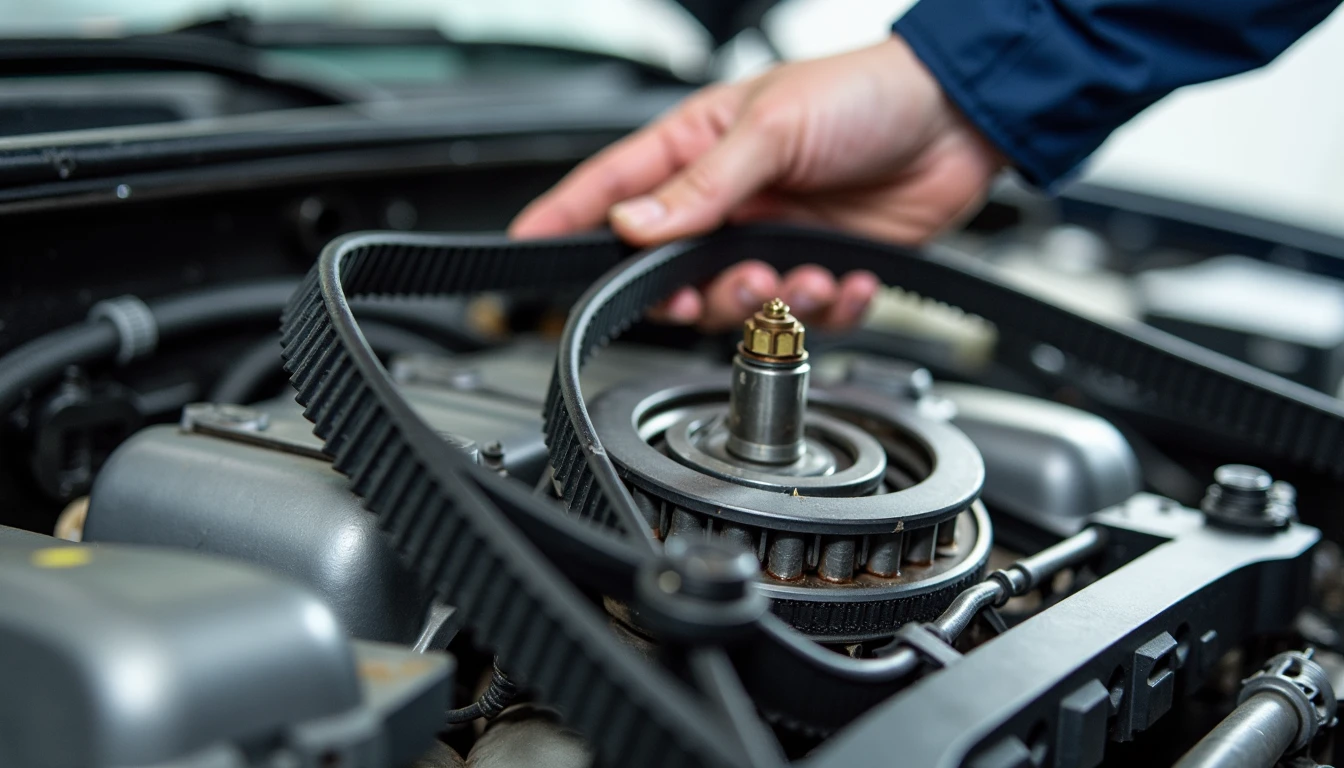
The timing belt or timing chain connects the crankshaft to the camshaft. In simple terms: it keeps the engine's valves opening and closing in perfect time with the pistons moving up and down. If this timing is lost — even by a fraction — pistons can hit valves. The result is usually catastrophic engine damage.
It is one of the most critical components inside an engine, and it is completely hidden from view. You cannot see it. You cannot inspect it easily. You rely entirely on it being in good condition every time you turn the key.
The Simple Difference
Timing Belt
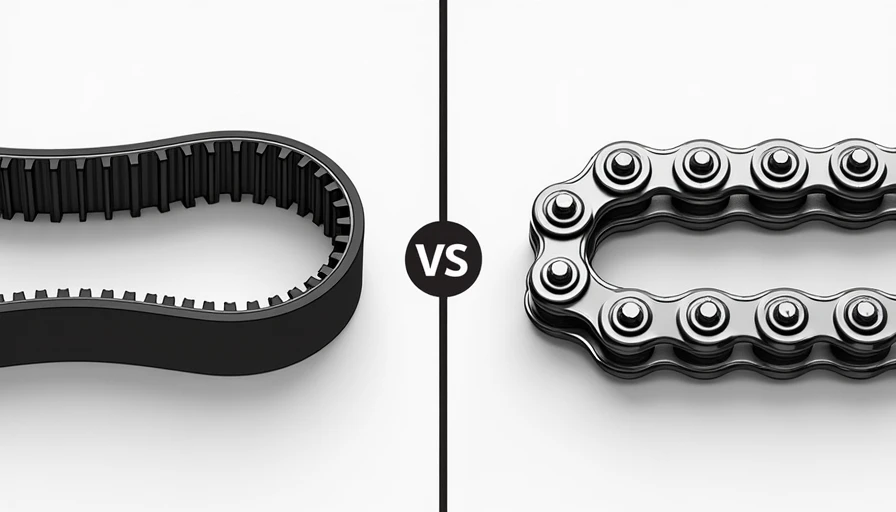
A reinforced rubber belt with teeth on the inside. It runs between the crankshaft and camshaft sprockets, often also driving the water pump. It is quiet in operation and relatively cheap to manufacture. It is the more common setup on smaller-capacity petrol and diesel engines — precisely the kind found in UK best-sellers like the Ford Fiesta, Vauxhall Corsa, VW Polo, and Toyota Yaris.
Timing Chain
A metal chain, similar in concept to a bicycle chain but far more robust. It runs inside the engine, usually lubricated by engine oil. It is heavier, noisier, and more expensive to manufacture. It is often — but not always — fitted to larger engines, premium-brand vehicles, and performance models.
Which Is Not Automatically Better
There is a persistent belief among car buyers that a timing chain is the better setup because it "lasts the life of the engine" and a timing belt is a weakness because it needs scheduled replacement.
That is an oversimplification. Both have advantages and drawbacks. Neither is automatically superior.
Timing Belt: The Honest Picture
A belt is quiet, light, and cheap to produce. It does its job well — but it wears. Every belt has a replacement interval, typically between 60,000 and 100,000 miles or 5 to 8 years, whichever comes first. The belt must be replaced on schedule. There is no "see how it goes." A belt that snaps destroys the engine on most modern interference engines.
The upside: replacement is a known, predictable cost. Budget for it, do it on time, and the belt is not a liability. It is a maintenance item like tyres or brakes — just with much higher stakes.
Timing Chain: The Honest Picture
A chain is designed to be more durable, and it generally is. But "designed for life" does not mean "guaranteed for life." Chains stretch over time. Tensioners wear. Guides — often made of plastic — can become brittle and fail. When a chain system fails, it often does so with less warning than a belt, and the repair bill is significantly higher because the job is more labour-intensive.
Many modern engines with timing chains have developed reputations for premature chain tensioner failure — certain BMW, Mini, Vauxhall, and VW Group engines among them. The chain itself is not the weak point. The tensioner and guides are. A rattling noise on cold start is often the first sign.
Failure Consequences
On an interference engine — which covers the vast majority of modern UK petrol and diesel cars — the valves and pistons occupy the same space at different times. The timing belt or chain keeps them apart. If it fails, they collide. The result is bent valves, damaged pistons, and often a destroyed cylinder head. The repair bill is typically £1,500–£3,000 or more. On many family cars, that writes the car off.
On a non-interference engine — much rarer in modern cars — a belt or chain failure still stops the engine dead but does not cause internal collision damage. The repair is still inconvenient but far less expensive. Do not assume your engine is non-interference. Most are not. If you do not know, assume the worst and maintain accordingly.
Replacement Intervals
Timing Belt
Typical UK intervals by vehicle type:
Vehicle Type | Replacement Interval |
|---|---|
Most small petrol engines (Fiesta, Corsa, Yaris) | 60,000–100,000 miles or 5–8 years |
Diesel engines (Focus, Astra, Qashqai diesel) | 60,000–100,000 miles or 5–7 years |
Some VW Group engines | Variable — check handbook, some as low as 5 years regardless of mileage |
Always check your specific car's handbook or service schedule. The interval varies between manufacturers and even between engine variants of the same model. If you cannot find the interval, assume 5 years or 60,000 miles as a safe default until confirmed otherwise.
A timing belt replacement typically includes the water pump at the same time, because the water pump is usually driven by the timing belt and the labour to access it is the same. Replacing both together saves paying the labour twice.
Timing Chain
A timing chain does not have a fixed replacement interval. It is designed to last the life of the engine — but as discussed, this depends on the tensioner, guides, oil quality, and driving habits.
Signs a chain system needs attention:
Rattling noise from the engine on cold start, lasting 1–3 seconds
Rattling that now happens on warm starts too
Engine management light on with timing-related fault codes
Rough running or misfire codes that do not resolve with ignition repairs
A chain kit replacement — chain, tensioner, guides, and often sprockets — is a major job. On premium German cars, it can run to £1,500 or more. On some engines, the chain is at the back of the engine, requiring the gearbox or even the entire engine to be removed for access. This turns a component failure into one of the largest repair bills a car can face short of a full engine replacement.
Common Misunderstandings
"Timing chains last forever."
No, they do not. They last longer than belts, but they are not immune to wear. The tensioner and guides are the weak points. Ignore a cold-start rattle at your financial peril.
"If the belt looks fine, it is fine."
You cannot judge a timing belt by eye. A belt can look perfect externally while the internal cords — the structural part — are deteriorating. Cracks, glazing, and contamination are clues, but the absence of visible damage is not a guarantee of condition. Belts are replaced on an age and mileage basis, not on visual inspection.
"Low mileage means the belt is fine."
Age degrades the belt material as much as use does. Rubber hardens and becomes brittle over time. A car that has done only 20,000 miles but is 8 years old may still need the belt replaced. The interval is whichever comes first — mileage or age.
"The timing chain is covered by warranty."
Maybe — if the car is still under manufacturer warranty. Many chain failures happen on cars well past warranty age. Extended warranties often exclude timing chain components or have claim limits that fall short of the full repair cost. Read the small print.
"A cambelt change is just a belt."
A proper cambelt replacement includes the belt, tensioner, idler pulleys, and usually the water pump. If a garage quotes a suspiciously cheap cambelt change, ask whether the tensioner and water pump are included. A belt-only change saves money now and risks a tensioner failure later — and the labour to go back in is the same again.
Why Used-Car Buyers Should Care
When buying a used car, the timing belt or chain status is one of the first things to check.
For timing belt cars:
Ask directly: "Has the timing belt been replaced? When? At what mileage? Was the water pump done at the same time?" Look for an invoice, not just a stamp in the book. A stamp that says "cambelt" with no supporting paperwork does not tell you what was actually fitted.
If the seller cannot prove the belt was done and the car is past the interval, factor the cost of a full cambelt and water pump replacement into your purchase budget. That is typically £300–£600 on a UK family car, more at a main dealer. Use it as a negotiating point, but do not skip it after buying.
For timing chain cars:
Listen for a cold-start rattle. Start the engine from cold — ideally after the car has sat overnight. A brief rattle that disappears immediately may be acceptable on some engines, but any rattle lasting more than a second or two needs investigation. Check the service history. Chain life depends heavily on regular oil changes with the correct oil. A car with patchy or missing service history is a higher risk. Some engines have known chain issues — a quick search of owner forums for the specific engine code will tell you what to expect.
Bottom Line
A timing belt is a maintenance item. Budget for it, replace it on schedule, and it will not let you down. Skip it, and the consequences are engine destruction on a scale that writes off most family cars.
A timing chain is not a lifetime guarantee. It is a longer-life component that still needs clean oil and can still fail. A cold-start rattle is the warning sign. Ignoring it is expensive.
Either way, the rule is the same: know which one your car has, know the interval, and do not gamble with it.
Fix the problem, not the panic.