
What Brake Fluid Does
Brake fluid is a hydraulic fluid. When you press the brake pedal, the fluid transmits that force through the brake lines to the calipers, which push the pads against the discs. No fluid, no brakes. That much is obvious.
What is less obvious is that brake fluid does not just transmit force. It also has to handle extreme heat — brake systems can reach over 200°C during hard or prolonged braking — and it must remain stable and incompressible at those temperatures. It is one of the hardest-working fluids in the car, and it is also one of the most neglected.
Why Age Matters
Brake fluid is hygroscopic. That means it absorbs moisture from the air over time.
Even in a sealed system, tiny amounts of moisture enter through seals, hoses, and the reservoir cap. Over months and years, the water content in the fluid increases. That is a problem for two reasons.
First, water lowers the boiling point of the fluid. Brake fluid with high water content boils at a much lower temperature. If it boils under heavy braking, gas bubbles form. Gas is compressible, unlike fluid. The pedal goes soft or sinks to the floor. That is brake fade — and it happens suddenly, usually when you need the brakes most.
Second, water promotes internal corrosion. Brake lines, calipers, and ABS pump components are metal. Moisture in the fluid causes them to rust from the inside. By the time the damage is visible, components may need replacing. A £40 fluid change deferred for years can become a £600 caliper and line replacement.
Brake fluid degrades on a time basis, not a mileage one. A car that sits parked for two years still needs the fluid changed. The moisture absorption happens whether the wheels are turning or not.
Typical Replacement Interval
Most manufacturers recommend replacing brake fluid every two years, regardless of mileage.
This is not a dealership upsell. It is genuinely sensible. By the two-year mark, brake fluid in a typical UK car has absorbed enough moisture that its boiling point has dropped measurably. The fluid still works for everyday driving — you will not feel a difference pottering around town — but it may not perform when you need it most: a long downhill stretch, an emergency stop from motorway speed, or a fully loaded car on a hot day.
Some manufacturers specify three years. A few high-performance or heavy vehicles specify more frequent changes. Check your service book or handbook for the specific interval, but if you cannot find it, every two years is the safe default.
A brake fluid change should be part of a full service schedule, but because it is on a two-year cycle rather than an annual one, it often gets overlooked. Many cars on UK roads have brake fluid that is five, six, or ten years old. Their owners have no idea, because the brakes still work adequately in normal driving — right up until the moment they do not.
Signs It May Need Attention Sooner
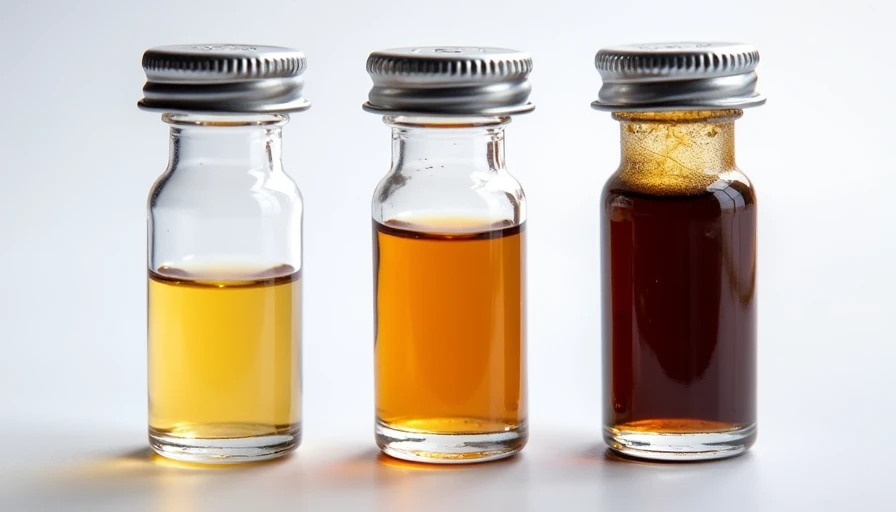
Brake fluid condition can deteriorate before the two-year mark in certain circumstances, and there are some visible signs worth checking.
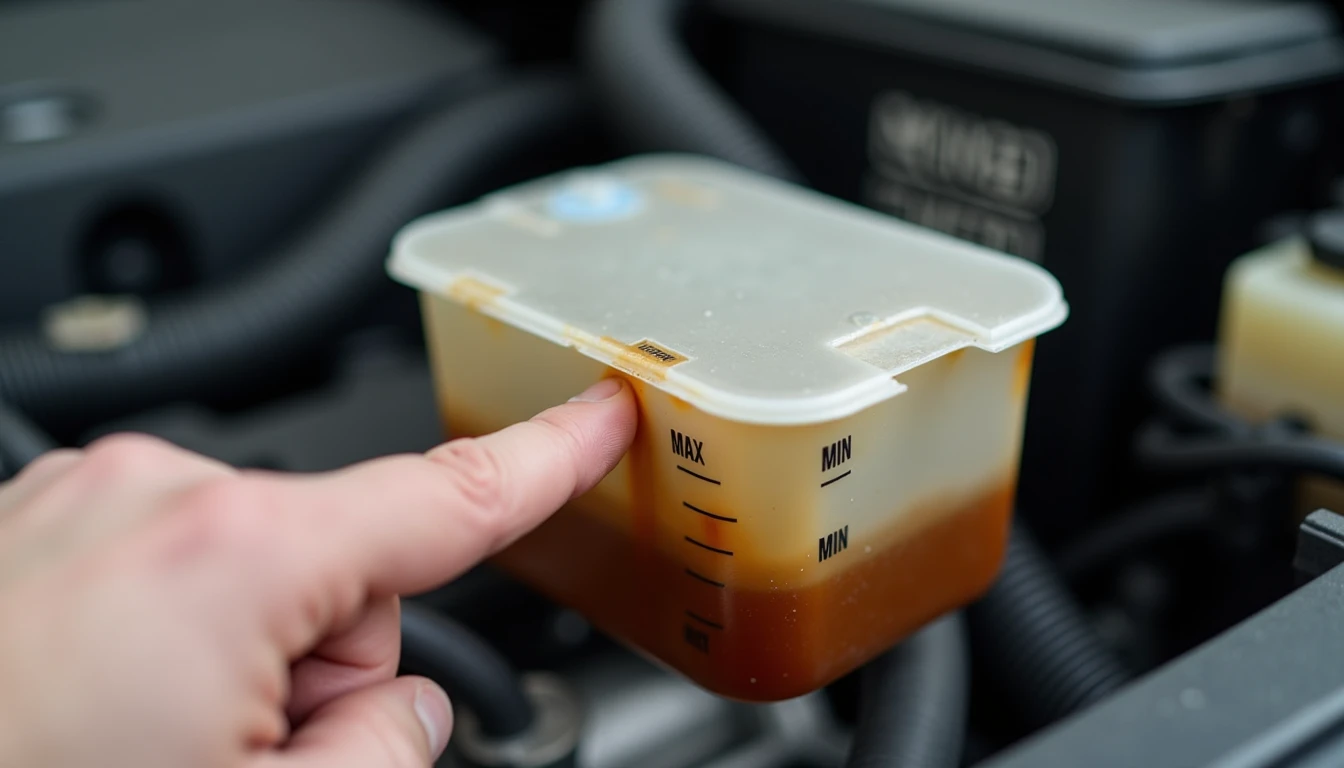
Fluid colour. Fresh brake fluid is clear or light amber. Over time, it darkens as it absorbs moisture and picks up contaminants. If you look at the brake fluid reservoir — usually a translucent plastic container on the driver's side of the engine bay — and the fluid looks dark brown, it is past due. Colour alone is not a perfect test, but it is a useful visual cue.
Spongy or soft brake pedal. If the pedal feels softer than usual or travels further before the brakes bite, air or moisture is likely in the system. Do not ignore this. It will not get better by itself.
Brake warning light on. A low fluid warning can indicate a leak, but it can also mean the fluid has absorbed enough moisture that the level has risen slightly — or that pad wear has dropped the level and old fluid is being pushed to its limit.
Recent heavy use. If you have been towing, driving in hilly areas, or doing a lot of laden motorway driving, the fluid will have been working harder. Consider changing it early.
What Happens If You Ignore It
In the early stages, nothing you will notice. Old brake fluid still works adequately for normal driving. The pedal still stops the car. The system still passes an MOT brake test. The danger builds silently.
Over time, the risks stack up:
Reduced boiling point. In an emergency stop or on a long downhill section, the fluid can boil. The pedal goes soft, and braking power drops dramatically. This is not a gradual decline — it happens suddenly, and it is terrifying.
Internal corrosion. Water in the fluid causes rust inside brake lines and calipers. Caliper pistons can seize. ABS pump valves can corrode. Replacing an ABS pump is a four-figure job on many modern cars. All because of moisture in fluid that should have been changed years ago.
MOT failure or advisory. An MOT tester cannot test the fluid itself, but they can note visible leaks, corrosion on brake lines, or performance issues on the brake test. Corroded brake lines are a common MOT failure on older cars, and old fluid is often a contributing factor.
The brake fluid is the only thing standing between your foot and the road. Everything else in the system — pads, discs, calipers, lines — depends on the fluid being in good condition. Neglecting it because the brakes still "feel fine" is gambling with the one system on the car that has no backup.
How Serious This Is
Brake fluid replacement is a routine maintenance item. It is neither expensive nor complicated. At an independent garage, expect to pay £35–£60 for a brake fluid change. At a main dealer, it may be £60–£100. The job takes about 30–45 minutes. Most garages can do it while you wait.
Compare that to the cost of what happens if you skip it: a seized caliper (£180–£350), corroded brake lines (£200–£500), or an ABS pump (£800–£1,500+). The fluid change is not just about safety. It is about protecting the rest of the brake system from damage.
Brake fluid is a safety item, not a performance upgrade. It is not like changing your oil a little early or running your tyres a few PSI low. The consequences of brake fluid failure are immediate, total, and dangerous. This is genuinely one area where you do not stretch the interval.
Bottom Line
Change your brake fluid every two years. If you cannot remember when it was last done, book it in now. It is one of the cheapest services you can do on a car, and it protects both your safety and the brake system components that cost far more to replace. The fluid works hard, degrades whether you drive or not, and gives very little warning before it becomes a problem. Do not wait for a soft pedal or a brown reservoir. Replace it on schedule and forget about it.
Fix the problem, not the panic.