

Why Clutch Jobs Are Expensive
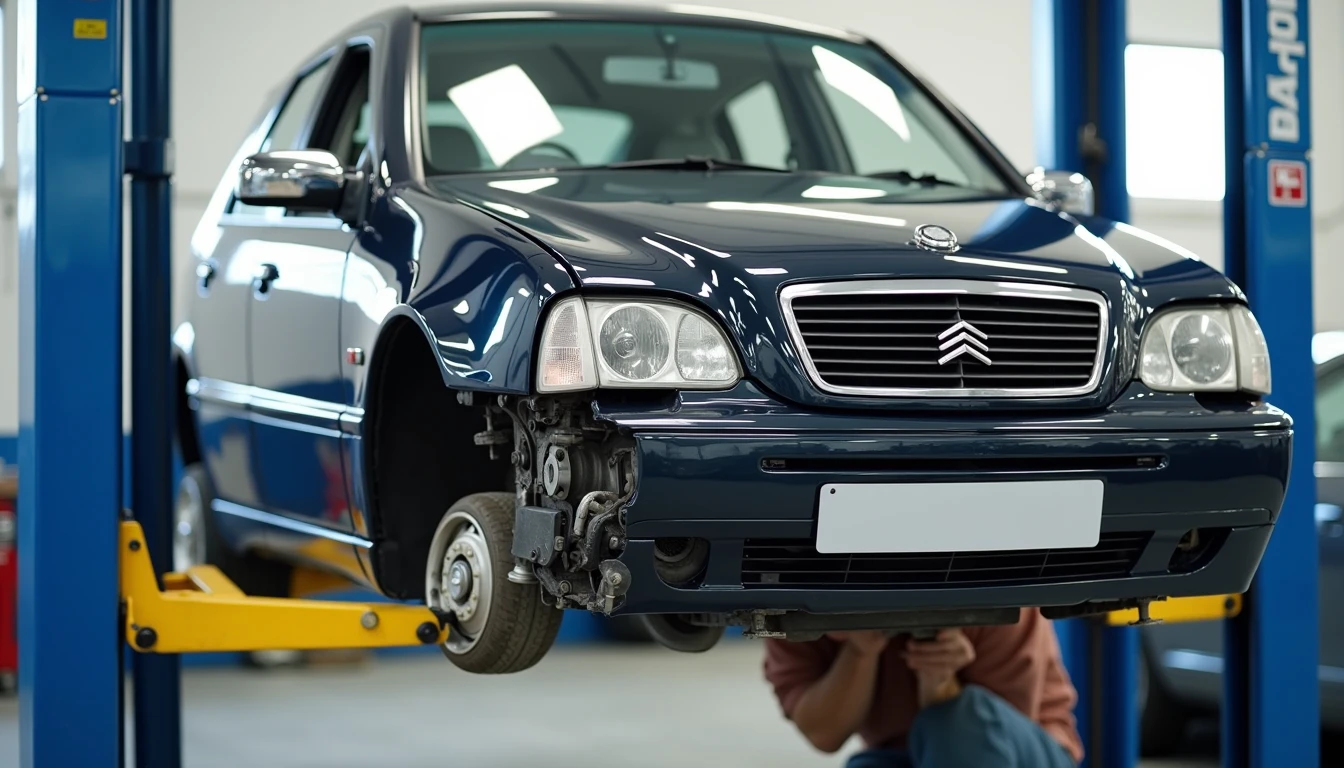
A clutch replacement is not a small job. On most front-wheel-drive family cars, the gearbox has to come out to access the clutch assembly. That means several hours of labour before the new parts even go in. The clutch kit itself — friction plate, pressure plate, and release bearing — is not particularly expensive on common UK models. The cost is in the labour.
On a typical Ford Fiesta, Vauxhall Corsa, or VW Golf, expect to pay between £400 and £800 at an independent garage. On larger vehicles, premium brands, or anything with a dual-mass flywheel that also needs replacing, the bill can easily reach £1,000 to £1,500. That is the kind of number that triggers the "is it worth it?" conversation.
The clutch is a wear item. It is designed to be replaced eventually. A clutch replacement on a car with 80,000–100,000 miles is not a sign that the car is falling apart. It is a sign that the clutch did its job for a decade or more and has reached the end of its service life. The question is not whether the clutch failed prematurely. It is whether the rest of the car has enough life left to justify the investment.
What You Are Really Buying
When you pay for a clutch replacement, you are not fixing a broken car. You are buying a reset on one of the car's major mechanical components. A new clutch, properly fitted and driven sensibly, should last another 60,000 to 80,000 miles or more. On a car that covers 8,000 miles a year, that is potentially seven to ten years of future use.
That changes the way you should think about the cost. £600 sounds like a lot when you compare it to the car's current market value. But £600 spread over five years of continued motoring is £120 a year — less than a monthly payment on a financed replacement. The calculation should be about future cost per year of use, not about the car's resale value today.
The Decision Framework
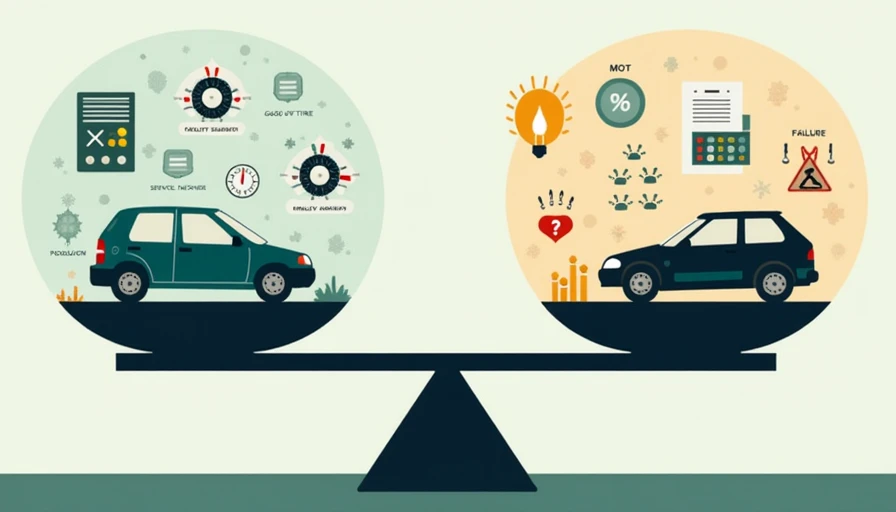
Before approving a clutch replacement, work through these questions honestly.
How healthy is the rest of the car?
This is the single most important question. If the car has been reliable, well-maintained, and has no other major issues on the horizon, a clutch replacement is almost certainly worth doing. If the car has a long list of other problems — an MOT due soon with known corrosion issues, an engine that uses oil heavily, a timing belt that is overdue, suspension that clunks over every bump — the clutch bill is not an isolated cost. It is the first of several.
Ask the garage directly: "While you have the car in for the clutch, what else have you noticed? Is there anything coming up that I should budget for?" A good garage will give you an honest assessment. If the answer is "the car is otherwise solid," proceed with confidence. If the answer involves a pause and a list, pay attention.
What is the car actually worth — not in money, but in usefulness?
A ten-year-old car that costs nothing to insure, does 50 miles to the gallon, and fits your life perfectly has a value to you that goes beyond its market price. If the car works for you, keeping it working is logical. The clutch replacement is the cost of continuing to own a car you already know and trust, rather than rolling the dice on an unknown replacement.
What would a replacement car actually cost?
Do the real maths, not the fantasy version. Search online for what is available at your budget — which is whatever you would get for your current car as-is plus the clutch repair cost. If your car is worth £800 with a slipping clutch and the repair is £600, your total budget for a replacement is roughly £1,400. In the 2026 used car market, £1,400 does not buy much that is guaranteed to be trouble-free. It buys something old, with unknown history, that may need its own clutch in six months. Suddenly the clutch repair on a car you know looks like the smarter option.
How long do you plan to keep the car?
If you were already planning to replace the car within the next year, spending £600–£1,000 on a clutch makes less sense. You will not recoup that cost when you sell. If you intend to keep the car for another two or three years or more, the maths flips. The clutch repair buys you that continued use at a known cost, with no car payments and no unknowns.
When the Car Is Worth Saving
The clutch replacement is worth doing in these scenarios:
The car is mechanically solid. Good service history, no major corrosion, engine runs well, no warning lights. The clutch is an isolated wear item on an otherwise dependable vehicle.
You have already invested in the car. Recent timing belt, good tyres, fresh brakes, suspension in decent shape. You know the car. Walking away now would waste those previous investments.
The car fits your life and budget. Cheap to run, cheap to insure, does everything you need. Replacing it with something comparable would cost considerably more than the clutch job.
The repair cost is less than six months of finance payments on a replacement. If a clutch is £600 and a replacement car on finance would cost £200 a month, the clutch pays for itself in three months of not having a car payment.
When It Is Money Into a Sinking Car
Walk away from the clutch replacement in these situations:
The car has multiple other problems that are not worth fixing. If the clutch has gone and the car also needs a timing belt, a full exhaust, and has an MOT coming up with corrosion advisories, the clutch is not the only bill coming. You are not spending £600. You are spending £600 as the first instalment on a car that is heading downhill.
The car has serious corrosion. Structural rust on the sills, subframe, or floor is expensive to fix and tends to get worse. A new clutch will not stop the car from failing its next MOT on corrosion. Do not put a new clutch into a car that the bodywork is about to write off.
The car is worth less than the repair and you were planning to change it anyway. If the clutch failure arrives just as you were already browsing replacements, take the hint. Sell the car as-is — be honest about the clutch — and put the repair money towards the next one.
The engine is in poor condition. High oil consumption, blue smoke, knocking noises, or a known timing chain issue. A new clutch on an engine that might not last another 20,000 miles is a poor investment. The clutch outlasts the engine, and you have gained nothing.
The Dual-Mass Flywheel Factor
Many modern diesel and some petrol cars have a dual-mass flywheel (DMF) instead of a solid flywheel. The DMF smooths out engine vibrations but wears over time. When a clutch is replaced on a car with a DMF, the flywheel is often replaced at the same time because the labour to access it is the same and a worn DMF can damage the new clutch.
A DMF adds significantly to the cost — typically £300–£500 extra in parts alone. On a car where the DMF is definitely worn, the choice is clear: replace it with the clutch. On a car where the DMF is borderline, ask the garage for their honest assessment. If the DMF has visible play, excessive rotational movement, or is leaking grease, replace it. If it is within tolerance, you may be able to defer it — but understand that if it fails later, the labour cost to go back in is the same again.
What to Ask Before Approving the Work
When the garage calls to confirm the clutch needs replacing, ask these questions before giving the go-ahead:
"Is the dual-mass flywheel worn, and does it need replacing at the same time?"
"While you have the gearbox off, is there anything else worth doing while access is easy?" (Rear main oil seal, gearbox input shaft seal, clutch slave cylinder if it is internal.)
"What condition are the rest of the car's major components in — brakes, suspension, exhaust, subframe?"
"Based on what you can see, do you think the car has another two or three years of reliable life in it?"
A garage that answers these questions clearly and honestly is worth trusting. A garage that avoids the questions or pushes hard for the most expensive option without explanation is telling you something about how they do business.
Bottom Line
A clutch replacement on an older car is not automatically a waste of money. On a car that is otherwise solid, well-maintained, and fits your life, it is often the most sensible financial choice. You are buying several more years of motoring in a car you know, for less than the cost of replacing it with an unknown vehicle. But if the car has multiple other problems stacking up, or serious corrosion, or an engine that is on borrowed time, the clutch bill is not the solution. It is the signal to stop. Be honest with yourself about the car's overall condition, and let that — not the market value alone — guide the decision.
Fix the problem, not the panic.