

What the Warning Light Actually Is
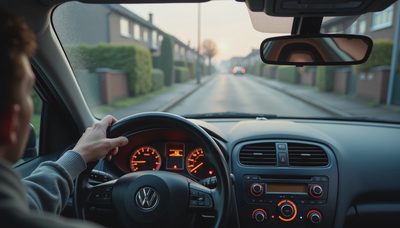
The check engine light — sometimes labelled as the engine management light or MIL (malfunction indicator lamp) — is part of your car's onboard diagnostic system. It is connected to the engine control unit (ECU), which constantly monitors sensors, emissions, fuel delivery, and ignition performance.
When the ECU detects something outside normal parameters, it logs a fault code and turns the light on.
It is an amber warning light, not a red one. That matters. Red means stop. Amber means something is wrong, but the car is telling you there is time to deal with it — in most cases.
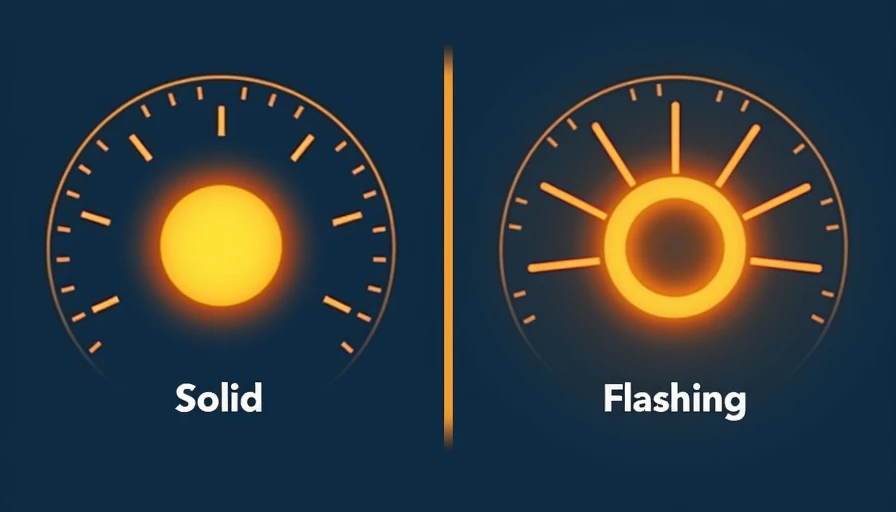
Solid Light vs Flashing Light
This is the single most important distinction to understand. It changes everything about what you do next.
Solid Check Engine Light
The light is on and stays on. The car has detected a fault and logged a code. The fault is present but not severe enough to cause immediate damage. In most cases, the car remains driveable.
Think of it as: "Book me in, don't ignore me, but you are not in an emergency."
Flashing Check Engine Light
The light is blinking or flashing on and off. This is a different level of seriousness. A flashing light almost always means an active engine misfire — unburnt fuel is entering the exhaust system and can reach the catalytic converter. That causes extremely high temperatures and can destroy the catalytic converter.
Think of it as: "Stop driving me hard. Get this checked now."
A flashing check engine light should be treated as urgent. You don't necessarily need to pull over on the motorway hard shoulder — but you should reduce load on the engine, avoid high speeds, and get to a garage as soon as practically possible.
Can You Still Drive It?
Solid light, car drives normally:
Yes, you can continue driving. Book the car in for diagnosis, but you don't need to cancel your plans. Many drivers cover hundreds of miles with a solid check engine light on before getting it looked at — though sooner is always better than later.
Solid light, car feels rough, down on power, or hesitating:
You can drive it to a garage, but take it easy. Avoid motorway journeys and heavy acceleration. The fault is affecting engine performance, and pushing the car could make things worse.
Flashing light, any symptoms:
Drive gently to the nearest garage. Do not take long journeys. Do not tow. Do not ignore it. If the car feels seriously wrong — heavy misfiring, strong fuel smell, loss of power — pull over and call for recovery rather than risking further damage.
Check engine light + other warning lights:
If the check engine light comes on alongside an oil pressure warning, a temperature warning, or any red warning light, stop as soon as it is safe. The check engine light alone is usually manageable. A combination of warnings is not.
Most Common Causes
The check engine light is not a single fault. It is a signal that covers dozens of possible issues. These are the ones that come up most often in a UK workshop.
1. Sensor Faults
The most common category by far. Modern engines rely on multiple sensors — oxygen (lambda) sensors, mass airflow sensors, camshaft and crankshaft position sensors. When one gives a reading outside the expected range, the ECU flags it. The sensor itself might be faulty, or it might be correctly reporting a real problem.
2. Emissions System Faults
Lambda sensor readings, EGR valve issues, or catalytic converter efficiency below threshold. These often don't affect how the car drives but will fail an MOT emissions test. Common on diesel cars and higher-mileage petrol vehicles.
3. Ignition Misfire
Spark plugs, ignition coils, or HT leads breaking down under load. This is what usually causes a flashing check engine light. The misfire might only happen at certain engine speeds or under acceleration. You might feel a hesitation or jerkiness.
4. Fuel or Air Mixture Problems
A vacuum leak, a failing fuel injector, or a dirty mass airflow sensor can throw the air-fuel ratio off. The ECU tries to compensate, but beyond a certain point it flags the fault. You might notice rough idling, poor fuel economy, or hesitation.
Other less common but possible causes: loose or faulty fuel cap (yes, that can trigger it), failing catalytic converter, timing chain stretch on certain engines, or wiring faults.
When to Stop Driving
Pull over and call for recovery rather than continuing if:
The check engine light is flashing and the car is shaking badly
You smell strong fuel inside the car or from the engine bay
The engine is making knocking or rattling noises
You have lost significant power and the car struggles to maintain speed
Multiple warning lights have come on together
These are not "monitor and see" situations. Continuing to drive risks turning a diagnostic bill into an engine replacement.
What to Do Before Panicking
Before you ring a garage in a state of worry, do these simple checks:
Check the fuel cap. On many cars, a loose or missing fuel cap causes an evaporative emissions leak that triggers the check engine light. Tighten it, drive normally, and the light will often clear itself after a few drive cycles.
Think about what you felt. Did the light come on at the exact moment the car jerked, hesitated, or made a noise? If yes, tell the garage. That detail narrows the diagnosis massively.
Check if the car feels normal. A check engine light with no change in how the car drives is very different from one that comes with rough running. If the car drives normally, you almost certainly have time.
Don't clear the code yourself unless you know what you are doing. Erasing a fault code without fixing the problem just delays diagnosis and can hide developing faults. If the code comes back, let a garage read it properly.
Why Code Reading Matters
The check engine light tells you something is wrong. The fault code tells you what area to investigate. They are not the same thing.
An OBD-II code reader pulls the stored fault code from the ECU — for example, P0301 (misfire cylinder 1) or P0420 (catalyst efficiency below threshold). This gives the technician a starting point for diagnosis.
What a fault code does not do is tell you exactly which part to replace. A P0301 could be a spark plug, a coil, an injector, or a compression issue. The code points at the symptom, not the root cause. A good garage uses the code to guide further testing, not to fire the parts cannon at your wallet.
Many independent garages and even some mobile mechanics will read fault codes for a small charge or sometimes for free if you are booking in for further work.
Possible Repair Cost Range
Because the causes vary so widely, the cost range does too. These are rough UK figures:
Cause | Typical Repair Cost (UK) |
|---|---|
Fault code read (diagnostic scan) | £30 – £60 |
Lambda sensor replacement | £120 – £250 |
Ignition coil (single) | £80 – £150 fitted |
Spark plug set | £60 – £120 |
MAF sensor replacement | £100 – £300 |
Vacuum leak repair | £30 – £100 |
Catalytic converter replacement | £300 – £800+ |
EGR valve replacement or clean | £150 – £400 |
Diagnosis is nearly always cheaper than guessing. Do not let a garage start replacing parts without explaining what the fault code is and why they believe a specific part is responsible.
Bottom Line
A check engine light is your car asking for attention — not necessarily screaming for help. A solid light with normal driving is a "book it in this week or next" situation. A flashing light is a "today, and drive gently" situation. Either way, the answer is proper diagnosis, not panic. Get the code read, find out what you are dealing with, and go from there.
Fix the problem, not the panic.