
Why Oil Condition Matters
Engine oil does more than lubricate. It cools, cleans, and protects internal surfaces from corrosion. It carries combustion by-products, metal particles, and carbon deposits away from critical components and holds them in suspension until the oil is drained.
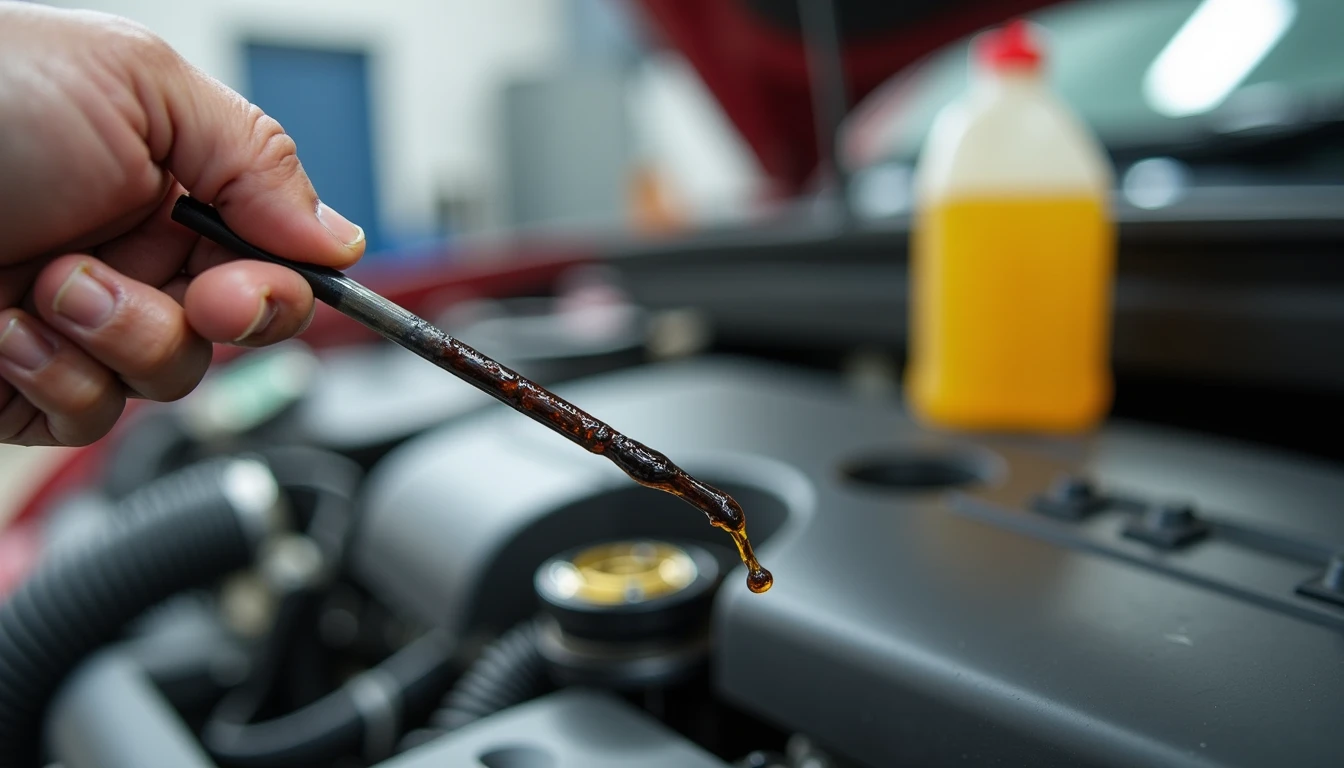
Fresh oil is a clear amber liquid with a controlled viscosity — it flows predictably when cold and stays stable when hot. As it ages, it thickens, darkens, and loses its ability to do all the jobs it was designed for. Delaying an oil change is not just about running old oil. It is about running oil that has stopped protecting the engine.
What "Delaying" Really Means
There is a difference between a minor delay and genuine neglect. A few hundred miles past the interval is not going to damage anything. Service intervals include a safety margin. The oil does not suddenly stop working the day after the due date.
Minor delay: A few weeks or a few hundred miles past the interval. Not ideal, but not harmful on its own. Book it in and get it done.
Significant delay: Several thousand miles past the interval, or several months overdue. The oil is now degraded. Its viscosity is breaking down. Contaminant levels are rising. Engine protection is reduced. This is where cumulative wear starts to accelerate.
Repeated neglect: A pattern of missed or stretched oil changes over years. This is not about one late change — it is about an engine that has spent much of its life running on tired oil. The damage accumulates silently. By the time symptoms appear, the harm is already done.
Short-Term vs Repeated Neglect
A single delayed oil change — even by a few thousand miles — is unlikely to destroy an engine on its own, provided it is corrected and does not become a habit. Engines are engineered with some tolerance. The oil degrades gradually, and the engine copes. You change the oil, the contamination is drained away, and normal service resumes.
The danger is not usually one late change. It is what happens when one becomes two, then three, then a pattern. Oil that stays in the engine too long, change after change, causes progressive damage. Sludge builds up in oil galleries. Passages narrow. Critical components get less oil flow. Over time, the engine wears faster than it should. By the time the driver notices — a rattle, a knock, increased oil consumption — the problem is not the oil. It is the permanent wear the old oil caused.
Effects on Engine Wear
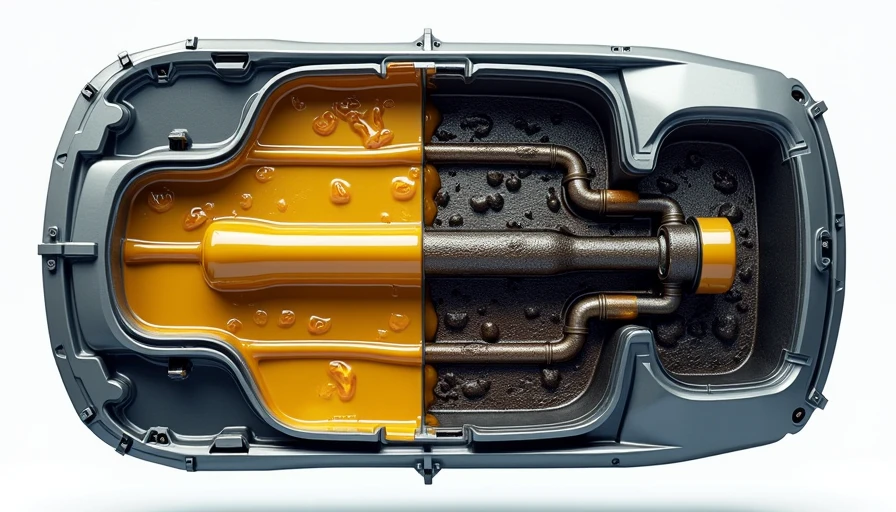
Here is what physically happens when oil is left in the engine too long.
Sludge formation. Old oil oxidises and combines with contaminants to form a thick, sticky sludge. This sludge settles in the sump, clogs the oil pickup strainer, and blocks narrow oil galleries. Once galleries are restricted, some engine components are starved of oil. The camshaft, turbocharger, and timing chain tensioner are particularly vulnerable — they rely on a steady supply of clean oil at pressure.
Viscosity breakdown. Oil loses its ability to maintain the correct thickness. It shears down and thins out at high temperatures, reducing the protective film between moving surfaces. Metal contacts metal. Wear accelerates. This is especially critical at cold starts, when the oil is already at its thickest and slowest to circulate. Old, degraded oil makes cold-start protection even worse.
Increased acidity. Combustion by-products make oil more acidic over time. This acidic oil corrodes bearing surfaces and internal engine components. The damage is invisible from the outside. You cannot see it by looking at the dipstick. You only know when a bearing fails or oil consumption rises sharply.
Additive depletion. Engine oil contains detergents, dispersants, anti-wear agents, and corrosion inhibitors. These additives are consumed as the oil works. Once they are depleted, the oil can no longer clean or protect effectively. The oil might still look like oil on the dipstick, but functionally it is worn out.
Turbocharged and High-Mileage Risks
Some engines are far less forgiving of delayed oil changes than others.
Turbocharged engines are particularly vulnerable. The turbocharger spins at extremely high speeds — often over 100,000 rpm — and relies on a constant flow of clean oil to lubricate and cool its bearings. Old, sludgy, or low oil starves the turbo. The bearings overheat and fail. A replacement turbo is rarely cheaper than £500, and on many modern diesel and petrol turbo cars the bill can exceed £1,000. All for the cost of an oil change deferred too long.
Turbo engines also run hotter than naturally aspirated ones. Heat accelerates oil degradation. The oil in a turbocharged engine works harder and degrades faster. Stretching oil changes on a turbo car is a gamble where the house almost always wins.
High-mileage engines have wider internal tolerances. They rely on oil viscosity to maintain pressure and fill those gaps. Old, thinned-out oil cannot maintain the film strength needed. Oil consumption increases. Wear accelerates further. Older engines also tend to have more internal deposits already present. Fresh oil helps clean those deposits gradually. Old oil adds to them. A high-mileage engine that has been well-maintained can cover big distances reliably. The same engine with a history of neglected oil changes is a breakdown waiting to happen.
When Delay Becomes Expensive
There is no precise mileage where a late oil change flips from harmless to harmful. But there are points where the financial risk escalates sharply.
At 2,000 miles past the interval: Minimal risk on a single occasion. Correct it and move on.
At 5,000 miles past the interval: The oil is now significantly degraded. On a turbocharged or high-mileage engine, wear is accelerating. This should not be repeated.
At 10,000+ miles past the interval: The oil is no longer providing reliable protection. Sludge formation is likely. Oil pressure may be dropping. Internal damage is occurring.
Repeatedly delaying across multiple service cycles: Even if each delay is minor, the cumulative effect is an engine that has spent much of its life under-protected. The engine wears prematurely. By 80,000 miles, it may have the internal wear of an engine that has covered twice the distance.
The cost comparison is stark. An oil and filter change at an independent garage costs roughly £60–£120 on a typical UK family car. Compare that to the costs of what can go wrong:
Consequence | Typical Repair Cost (UK) |
|---|---|
Turbocharger replacement | £500 – £1,200 |
Timing chain and tensioner replacement | £600 – £1,500 |
Engine flush and sump clean | £150 – £300 |
Replacement engine (used, fitted) | £1,500 – £3,000+ |
An oil change is the cheapest engine repair you will ever pay for. Every time you delay it, you are betting that the engine will tolerate it. Most do — until the one time they do not.
Bottom Line
A few hundred miles past the interval is not a crisis. Get it booked in and done. But making a habit of delayed oil changes is one of the most expensive decisions a car owner can make. The damage is invisible, gradual, and cumulative. By the time you hear the consequences — a rattling chain, a whining turbo, a knocking bottom end — the oil is no longer the problem. The engine is. Fresh oil is cheap. An engine is not.
Fix the problem, not the panic.