
The VW direct shift gearbox – often called DSG – is a dual-clutch automatic found in many Volkswagen, Audi, Seat and Skoda models. It shifts faster than a traditional automatic and can improve fuel economy, but it also has a reputation for expensive repairs if maintenance is ignored. Whether you are considering a used Golf or already own a car with one, understanding this gearbox and what to watch for can save you a lot of money. This guide covers the common faults, essential servicing, and whether the VW direct shift gearbox is a good fit for real-world UK driving.
What Is the DSG?
Instead of a torque converter like a conventional automatic, the DSG uses two separate clutches – one for odd gears, one for even – and pre-selects the next gear so changes happen almost instantly. That gives you the convenience of an automatic with the efficiency of a manual, and in normal driving it feels smooth and responsive. There are two main types: the 6-speed wet clutch (DQ250) used in more powerful engines, and the 7-speed dry clutch (DQ200) found in smaller petrols like the 1.2 TSI. The dry-clutch version is more common in cars like the VW Polo and Golf, but it is also the one that causes more trouble in stop-start traffic.
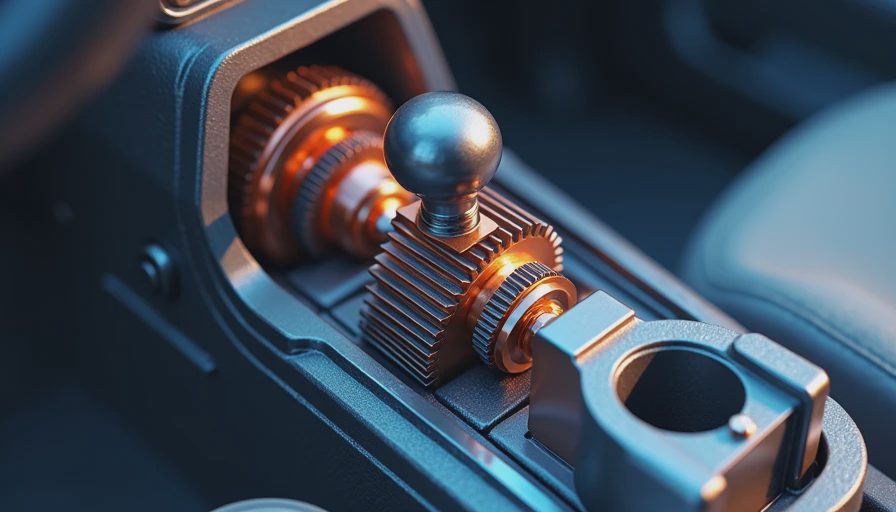
Common VW Direct Shift Gearbox Problems
No automatic is perfect, and the DSG has its share of known issues. The most expensive failure is the mechatronic unit – the electronic brain that controls clutches and gear changes. Symptoms include jerky take-offs, delayed engagement, or a flashing gear indicator on the dash. A new mechatronic unit fitted at a specialist can cost between 1,500 and 2,000, so it is not a minor repair. Another common problem is clutch wear, especially on the dry-clutch DQ200. If you feel shuddering from a standstill or hesitation when pulling away, the clutches may be wearing out. Replacement clutches on a dry DSG run around 800–1,200 including labour. On the wet 6-speed, the issue is more often leaking seals or contaminated oil leading to rough changes. Regular oil changes prevent most of these problems, but many owners skip them.
DSG Servicing: Don’t Skip the Oil Change
This is where most VW owners trip up. The manufacturer recommends a gearbox oil and filter change every 40,000 miles or 4 years for the wet DSG, but for the dry 7-speed, the official line is that the oil is sealed for life. In reality, that “sealed for life” advice is risky. Many independent specialists, including my old workshop, recommend changing the oil in the dry DSG every 40,000–60,000 miles anyway. The gearbox has oil for the mechanical parts and a separate hydraulic circuit – both degrade over time. A proper DSG service including both oils and filter costs about 200–350 at a good independent. Compare that to a 2,000 mechatronic replacement and it is the cheapest insurance you can buy. Never let a garage tell you the gearbox is maintenance-free if you plan to keep the car beyond 60,000 miles. The VW direct shift gearbox demands regular attention, and skipping the oil change is the main reason they fail early.
How to Drive a DSG for Longer Life
Driving habits affect how long your DSG lasts. In slow traffic, avoid creeping forward with the brake only – that keeps the clutch partially engaged and generates heat, especially on the dry 7-speed. Instead, either come to a complete stop or use the auto-hold feature if your car has it. Also, if you are stopped for more than 20 seconds, shift into Neutral. It reduces load on the clutch packs. When parking, always use the handbrake rather than relying on Park to hold the car on a slope – the parking pawl can put stress on the gearbox. If you often tow a trailer, make sure the gearbox oil is changed more frequently because heat builds up faster. And if you feel any unusual behaviour – jerking, delayed response, or dash warnings – get it checked early. A 150 diagnostic is far better than a 2,000 bill.
Is a VW Direct Shift Gearbox Worth It?
For the average UK commuter, the VW direct shift gearbox offers a good balance of performance and economy, especially on motorways. The gear changes are smooth when the system is healthy, and the fuel consumption is often better than a traditional automatic. However, the repair costs mean it is not a gearbox you can ignore. If you are buying a used Volkswagen with a DSG, look for a full service history that includes the gearbox oil change. If the seller cannot prove it, budget 300 for an immediate service. For a higher-mileage car (over 80,000 miles), factor in potential clutch wear. Overall, if you keep up with servicing and drive sensibly, the DSG is reliable. If you neglect it, you are looking at a big bill. That is the reality.
Final Thoughts
The DSG is a clever piece of engineering, but it demands a little more attention than a traditional automatic. The oil change is not optional – it is essential. Most failures I see come down to missed services or driving habits that overheat the clutches. If you follow the advice here, your DSG will serve you well for many miles. And if you are unsure about a car you are considering, find a local VAG specialist to do a pre-purchase inspection. It is worth every penny.