
If you drive a Volkswagen, Audi, Seat, or Skoda with a 7 speed DSG gearbox, you already know how smooth and responsive it can feel. But when problems start, the repair bills can be steep. Over the years, I've helped plenty of owners decide whether to fix a DSG or walk away. Here is what you need to know about the 7 speed DSG – the common faults, the maintenance that gets skipped, and when it's still worth spending money on.
What Is the 7 Speed DSG?
The 7 speed DSG is a dual-clutch automatic gearbox that VW Group started fitting around 2008. It uses two clutches – one for odd gears, one for even – to shift faster than a manual, without the torque converter found in traditional automatics. The 7 speed version came after the 6 speed and is often found in smaller-engined cars like the Golf 1.4 TSI, Seat Leon 1.8 TSI, and Audi A3 1.8 TFSI. There are two types: the wet clutch (DQ381) and the dry clutch (DQ200). The dry clutch DQ200 gets more attention because it is less robust.
Common Faults to Watch For
The 7 speed DSG has a few known weak points. The most talked about is the mechatronic unit. This is the electronic brain that controls the hydraulic system and gear selection. When it fails, you may get a flashing gear display on the dashboard, a loss of drive, or harsh shifting. It can happen suddenly, often between 40,000 and 80,000 miles. A new mechatronic unit from VW costs around £1,500 fitted, but specialist remanufactured units can be closer to £800.
Another issue is clutch wear, especially on the dry clutch 7 speed DSG. Symptoms include shuddering when pulling away from a stop, jerky low-speed manoeuvres, or a judder in stop-start traffic. Clutch replacement on a dry clutch 7 speed DSG is labour-intensive, typically costing between £900 and £1,400 at a specialist. On wet clutch versions, clutch wear is less common, but oil contamination can accelerate it.
Maintenance: The Oil Change That Gets Skipped
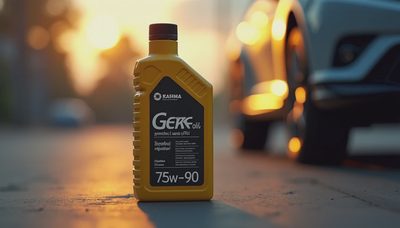
Here is the bit that frustrates me. The 7 speed DSG has a service interval for gearbox oil and filter – every 40,000 miles or 4 years, according to VW. But many owners never do it. Some independent garages do not know about it, and some franchised dealers do not mention it unless you push. Skipping the oil change does not cause immediate failure, but it increases the risk of mechatronic problems and bearing wear. The oil change costs about £250 at a specialist. That is a small price compared to a full gearbox rebuild.
I had a customer with a 2013 Golf 1.4 TSI who had never changed the DSG oil at 72,000 miles. The car started hesitating in second gear. A simple oil change and reset cleared it up completely. It is not always the answer, but it is the first thing to try.

Repair vs Replace: The Real Cost
When a 7 speed DSG goes wrong, the decision to repair or replace depends on the car's value and the problem. A full gearbox replacement from VW can be £3,000 to £4,000. That only makes sense on a car worth over £8,000, like an Audi A3 or Golf GTI. On an older Leon or Octavia with 100,000 miles, many owners choose to sell the car as a fault advertised and move on.
Specialist repairs are more common. Mechatronic repair, clutch kits, and oil changes can be done for under £2,000. That is usually worth it if the rest of the car is solid. Before authorising any work, ask the garage for a diagnosis code – P17BF or P17E1 for mechatronic – and get a fixed price quote. A good specialist will also check the clutch adaption values with VCDS or ODIS.
Frequently Asked Questions About the 7 Speed DSG
Can a 7 speed DSG be repaired without replacing the whole gearbox?
Yes, many issues are repairable. The mechatronic unit can be rebuilt or replaced separately, and clutch packs can be swapped without removing the entire gearbox. This keeps costs down, typically £800 to £1,500 depending on the fault.
What does a flashing gear indicator mean?
A flashing gear light on the dashboard is a common early warning of a mechatronic fault. It may come with a loss of drive or harsh shifting. Have the system scanned as soon as possible to avoid further damage.
How often should the DSG oil be changed?
Volkswagen recommends every 40,000 miles or 4 years. Even if the car feels fine, sticking to this interval reduces the risk of mechatronic and bearing problems. The cost is around £250, which is cheap insurance.
Is the dry clutch DQ200 reliable?
The DQ200 dry clutch 7 speed DSG is less robust than the wet clutch version. It is more prone to clutch wear and mechatronic issues, especially in stop-start city driving. Regular maintenance and careful driving can extend its life.
Should I buy a used car with a 7 speed DSG?
Yes, if the service history shows the oil changes were done. Check for any hesitation or shuddering during a test drive. If the car has over 60,000 miles and no record of DSG service, budget for an oil change and inspection.
Final Thoughts
The 7 speed DSG is a clever gearbox, but it needs looking after. If you own a car with one, get the oil changed every 40,000 miles. If you are buying a used car with this gearbox, check the service history for that oil change. And if the mechatronic unit fails, do not panic. A specialist repair is usually a better bet than a main dealer replacement. Fix the problem, not the panic.