
If you drive a Volkswagen, Audi, or other vehicle with a DSG (direct shift gearbox), understanding DSG transmission service is essential for long-term reliability. Many owners don't realize that these dual-clutch transmissions require regular fluid and filter changes, just like an engine does. Ignoring this service can lead to expensive failures down the road. The truth is, DSG transmission service is not just a recommendation—it's a necessity if you want to avoid a costly replacement.
What Is a DSG Transmission?
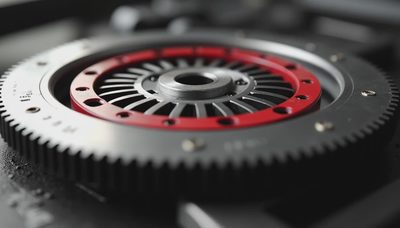
DSG stands for Direct Shift Gearbox, a type of dual-clutch transmission (DCT) that uses two separate clutches to pre-select gears. This allows for faster shifts and better fuel economy compared to a traditional automatic. Volkswagen Group popularized DSG in many models, such as the Golf, Jetta, Passat, and Audi A3, A4, and Q5. Other manufacturers like SEAT and Škoda use the same gearbox. The transmission is controlled by a mechatronic unit that manages clutch engagement and gear selection. Because of its complexity, proper maintenance is crucial. Unlike a conventional automatic, a DSG cannot be serviced by a generic transmission shop—it requires specific knowledge and fluid.
Why DSG Service Matters
Like any mechanical system, DSG transmissions wear over time. The transmission fluid breaks down from heat and contamination, and the filter can clog. Without regular DSG transmission service, the fluid loses its ability to lubricate and cool, leading to hard shifts, slipping, or even complete failure. The mechatronic unit is particularly sensitive to dirty fluid. Replacing a failed DSG can cost thousands of dollars, making routine service a wise investment. I've seen too many owners skip service and end up with a transmission that shudders or won't engage. A simple fluid change could have prevented it.
When Should You Service Your DSG?
Manufacturer recommendations vary, but a good rule of thumb is every 40,000 to 60,000 miles. Some VW models specify 40,000 miles, while Audi may recommend 50,000. Check your owner's manual for the exact interval. If you drive in severe conditions—frequent stop-and-go traffic, towing, or very hot climates—consider servicing sooner. DSG transmission service is not a lifetime fluid setup, despite what some dealers may claim. If you buy a used DSG car without service records, it's wise to do the service immediately. On higher-mileage cars (over 80,000 miles) with no history, proceed with caution, but don't skip it.
What Does a DSG Service Include?
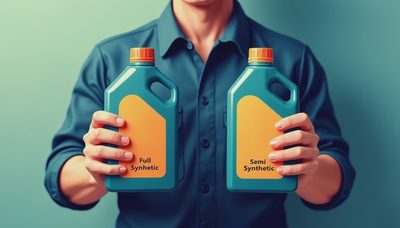
A proper service involves draining the old fluid, replacing the filter (which is often internal and located inside the transmission pan), and refilling with new DSG-specific fluid. Some services also include resetting the transmission adaptations or updating the mechatronic software using a diagnostic tool. It's important to get the correct fluid; using the wrong type can damage the transmission. Most independent shops that specialize in European cars can do this, but a dealership may be your only option for some models. Expect the job to take a couple of hours. If you're handy, you can do it yourself, but be aware that getting the fluid level right requires the transmission to be at a specific temperature.
How Much Does DSG Service Cost?
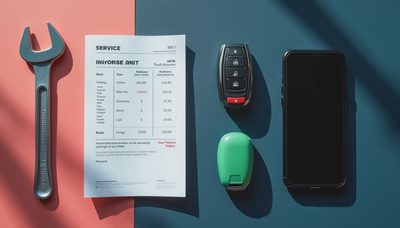
Costs vary by location and shop, but you can typically expect to pay between $300 and $600 for a standard DSG fluid and filter change at an independent shop. Dealerships may charge $500–$800. While that seems steep, compare it to the cost of a new DSG transmission, which can run $5,000 or more. Regular DSG transmission service is an affordable way to protect your investment. Some owners do it themselves, but it requires specialized tools like a VAG-compatible scan tool and a fluid pump. If you have a VW or Audi with a DSG, factor this service into your maintenance budget.
Common DSG Problems from Neglected Service
If you skip service, you may notice symptoms like rough shifting, hesitation when accelerating, or a jerky start from a stop. These often point to low fluid pressure or a dirty mechatronic unit. In severe cases, the transmission can go into limp mode, limiting you to one gear. Catching these issues early with a service can sometimes save the transmission, but once mechanical damage occurs, replacement is likely. A well-maintained DSG can easily last 150,000 miles or more. I've seen examples where a simple fluid change at 60,000 miles cured a slight shudder that the owner thought was fatal.
Should You Service a High-Mileage DSG?
If your car has over 100,000 miles and never had a DSG service, you may wonder if it's worth it. Some mechanics argue that changing fluid on a neglected transmission can dislodge debris and cause failure. However, the risk of not changing it is even higher. I recommend doing the service carefully, possibly with multiple drain-and-fill cycles to avoid shock. If the transmission is already failing, a service won't fix it, but regular maintenance from the start prevents most problems. In any case, consult a specialist who can check the fluid condition and mechatronic health first.
Finding a Shop for DSG Service
Not every shop is equipped to handle DSG transmission service. Look for independent shops that specialize in VW/Audi or European cars. Check online reviews and ask if they have experience with DSG. A dealer is always a safe bet, but often more expensive. Some specialty transmission shops also know DSG, but make sure they use proper fluid and filter. Avoid quick-lube chains; they rarely have the right fluid. A good shop will reset the adaptations after service, which ensures smooth shifting.
Final Thoughts
DSG transmission service is not optional. If you own a DSG-equipped car, make it a priority. Look up your specific model's interval, find a shop that knows DSG, and budget for the service. It's far cheaper than a replacement. And if you're shopping for a used DSG car, ask for service records. A car with regular DSG service is much more likely to be reliable. Fix the problem, not the panic—and in this case, the problem is neglected transmission service. A few hundred dollars now can save you thousands later.