
If you drive a Volkswagen, Audi, SEAT, or Škoda with a DSG gearbox, you’ve probably heard the term "DSG service" thrown around. But what does it actually involve, and how urgent is it? In my years working in a VW franchise service department, I saw plenty of owners who had no idea their gearbox needed regular maintenance. Let’s cut through the confusion.
What Is a DSG Gearbox?
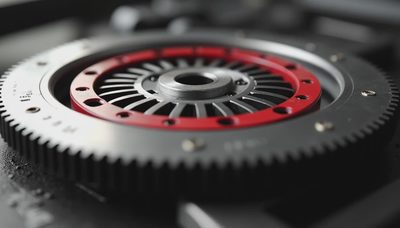
DSG stands for Direct Shift Gearbox. It’s a dual-clutch automatic transmission that shifts gears faster than a manual, and it’s found in many VW Group cars – from a Golf 1.6 TDI to an Audi S3. Unlike a traditional automatic, a DSG uses two separate clutches and a mechatronic unit to control gear changes. The oil in a DSG doesn’t just lubricate; it also provides hydraulic pressure for the clutches and electronics. That’s why a proper DSG service is not optional.
How Often Should You Do a DSG Service?
The official interval depends on the gearbox type. For the older six-speed DSG (DQ250), VW recommends an oil change every 40,000 miles. For the seven-speed dry-clutch DSG (DQ200), many manufacturers say it’s "sealed for life" – but I wouldn’t bank on that. In real-world UK driving, with stop-start traffic and motorway miles, the oil degrades. My advice: change the oil every 40,000 miles for wet-clutch DSGs and every 40,000 to 60,000 miles for dry-clutch units. Ignoring this can lead to jerky shifts, hesitation, or even mechatronic failure.

What a DSG Service Actually Includes
A proper DSG service is more than a simple oil drain and fill. The technician will:
- Remove the under tray and drain the old gearbox oil
- Replace the oil filter (if applicable – wet-clutch boxes have one)
- Install a new drain plug and sealing washer
- Refill with the correct specification DSG oil (often a specific VW-approved oil like G052 182)
- Perform a gearbox adaptation using diagnostic equipment to reset clutch bite points
Some garages skip the adaptation, but that’s a mistake. Without it, the gearbox can learn the wrong shift behaviour and feel rough. A proper DSG service includes adaptation every time.
What Happens If You Skip DSG Service?
I’ve seen cars come in with symptoms that could have been avoided. Low or degraded oil causes the mechatronic unit to work harder, leading to erratic shifting, delayed engagement, or warning lights on the dash. In severe cases, the clutches slip or the mechatronic fails completely – and that’s a £1500+ repair. A DSG service typically costs £200–£300 at an independent garage or £350–£500 at a dealer. That’s a fraction of the replacement cost. As I often say, fix the problem, not the panic. In this case, prevention is far cheaper than cure.
How Much Does a DSG Service Cost?
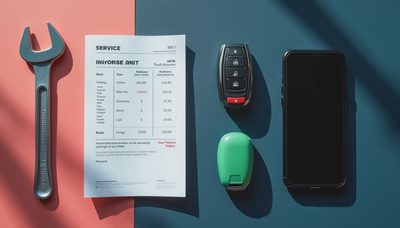
In the UK, a DSG service at a VW specialist independent garage usually runs between £200 and £300. That includes genuine oil, filter (if needed), labour, and adaptation. Main dealers are pricier – around £350 to £500. Is the dealer worth it? For a car under warranty or a newer model, yes, because it keeps the service history stamped. For an older car, a good independent with VCDS or ODIS software is perfectly fine. Just make sure they use the correct oil spec and do the adaptation. A cheap £150 service that skips the reset might save you money now, but it could cause problems later.
Should You Use a Dealer or Independent Garage?
If your car is still under warranty or a manufacturer service plan, stick with the dealer – they’ll also update any software related to the gearbox. For older cars (say, over five years old or 60,000 miles), an independent VW specialist is a smart choice. They often do the job for half the price and are familiar with DSG quirks. Whichever you choose, ask upfront: does the service include the oil filter and adaptation reset? If they say no, go elsewhere. A proper DSG service covers both.
Common Questions About DSG Service
**Q: Can I do a DSG service myself?**
Technically yes, but it’s not recommended. You need the correct oil, a pump to refill, and diagnostic software for the adaptation. One mistake can cost you a gearbox. Most owners are better off leaving it to a professional.
**Q: Is DSG service necessary for a dry-clutch DSG?**
Manufacturers say “sealed for life,” but many specialists recommend it every 40,000–60,000 miles. The oil still degrades over time, and I’ve seen failures on high-mileage cars that never had a service. It’s cheap insurance.
**Q: How long does a DSG service take?**
About 1 to 1.5 hours for a wet-clutch DSG that includes a filter change. Dry-clutch is quicker – around 45 minutes. The adaptation process adds another 15–20 minutes.
**Q: Will a DSG service fix jerky shifts?**
Often yes, if the problem is due to old oil or lost adaptation. If the mechatronic unit is already damaged, a service won’t help. A diagnostic scan before the service can confirm.
Final Verdict
A DSG service isn’t something to put off. Every 40,000 miles (or sooner if you drive hard or tow) is a sensible rule of thumb for wet-clutch gearboxes. For dry-clutch DSGs, treat it as a precaution every 40,000–60,000 miles. The cost is modest compared to a gearbox rebuild. If your car has a DSG, book the service on schedule – your gearbox will thank you.