
If you've been looking at used Volkswagens, Audis, Seats, or Skodas, you've almost certainly come across the term DSG. But what is a DSG gearbox, and should you be wary of it? DSG stands for Direct Shift Gearbox – a type of dual-clutch automatic transmission that's been fitted to millions of VAG group cars. Unlike a traditional automatic with a torque converter, a DSG uses two separate clutches – one for odd gears, one for even gears – to pre-select the next gear. The result is lightning-fast shifts and better fuel economy than a conventional auto. But they're not without their quirks. In this guide, I'll explain what a DSG gearbox is, how it works, the common problems, and what to watch out for if you're considering a car with one.
How Does a DSG Gearbox Work?
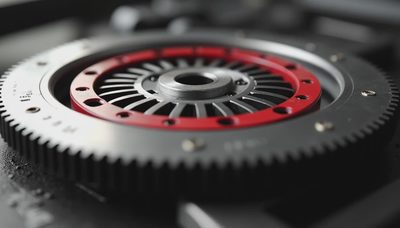
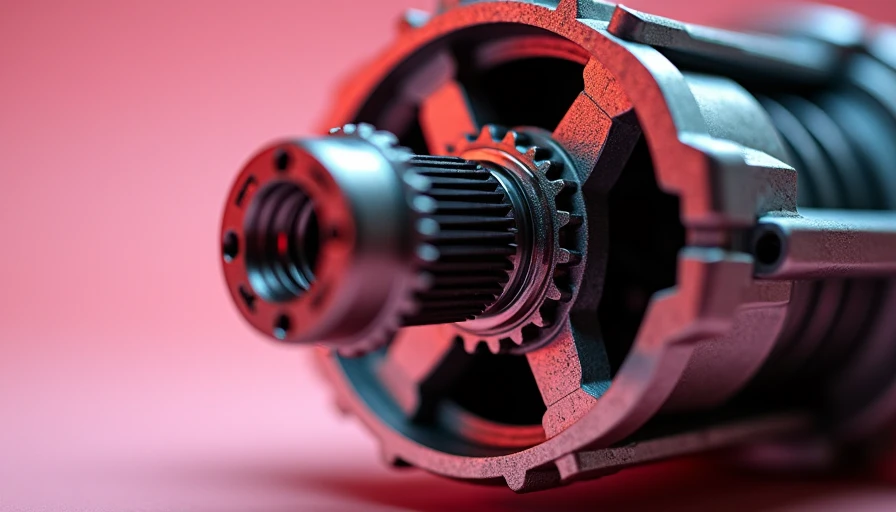
A DSG is essentially two manual gearboxes working together. One clutch handles 1st, 3rd, 5th, and reverse; the other handles 2nd, 4th, and 6th (or 7th on newer units). While you're accelerating in 1st gear, the computer already has 2nd gear pre-selected on the other clutch. When it's time to change, it simply swaps clutches – no power interruption. That's why DSGs feel so smooth and fast. In everyday driving, you can leave it in full auto mode or use the paddles for manual control. The early six-speed wet-clutch DSGs (DQ250) are generally robust, while the seven-speed dry-clutch versions (DQ200) are more prone to issues, especially in stop-start traffic.
Common DSG Problems and What to Watch For
Like any complex component, DSGs have their weak points. The most common issue with older cars is the mechatronic unit – the electro-hydraulic brain that controls the clutches and gear selection. When it fails, you might get a flashing gear indicator, harsh shifting, or a complete loss of drive. Replacement costs can be £1,000–£2,000 depending on the garage. Another common problem is clutch wear. In the dry-clutch seven-speed, the clutches can judder or slip, especially if the car has been driven mostly in traffic. A shudder when pulling away from a stop is a classic sign. Sometimes a DSG oil change and adaptation reset can help, but often the clutch pack needs replacing – think £800–£1,200. Valve body issues and wiring faults are rarer but worth knowing about.
DSG Maintenance – What You Need to Know
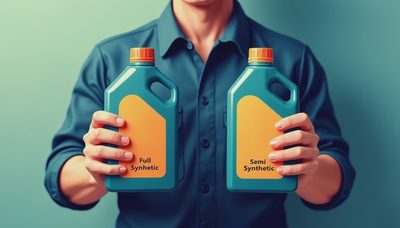
DSG gearboxes aren't 'sealed for life' as some dealers claim. Both wet and dry versions require maintenance. The wet-clutch DSG needs its oil and filter changed every 40,000 miles or 4 years – that's around £200–£300 at an independent specialist. The dry-clutch DSG has a separate gearbox oil change at 40,000 miles too (cheaper, around £150), but the clutch pack is not serviceable without removal. If you buy a used DSG car, always check the service history for these intervals. Skipping them shortens gearbox life. Also, a DSG adaptation (a software reset) can sometimes cure minor shift issues and is worth doing if the gearbox feels indecisive.
Should You Buy a Car with a DSG Gearbox?
For many UK drivers, a DSG is a brilliant choice – especially if you do a mix of motorway and town driving. The shifts are smooth, fuel economy is good, and modern DSGs are much better than the early ones. However, if you're on a tight budget and looking at high-mileage older cars (especially with the dry-clutch DQ200), you need to be careful. A car with full service history that's had its DSG oil changes is far less risky than one that hasn't. The wet-clutch six-speed (found in the 2.0 TDI and 1.8/2.0 TSI petrols) is generally very reliable – some go 150,000+ miles without issues. The dry-clutch seven-speed (fitted to 1.2/1.4 TSI and 1.6 TDI) is more delicate. My advice: test drive it thoroughly. If the car judders when pulling away, or hesitates between gears, walk away or budget for repairs. Overall, if you choose wisely, a DSG can make driving easier and more enjoyable. Just don't ignore the maintenance.
DSG vs Torque Converter Automatic – Which Is Better?
If you're still wondering what is a DSG gearbox compared to a traditional automatic, here's a quick breakdown. Torque converter autos use a fluid coupling to transmit power, which makes them smooth but less efficient – they sap a bit of fuel and feel slushy in older cars. DSGs, on the other hand, shift faster and feel more responsive because the clutches lock directly. In terms of reliability, older torque converters like the ZF 8-speed (found in BMWs and Audis) are bulletproof and cheaper to repair than DSGs. But DSGs offer better fuel economy and a sportier feel. For everyday stop-start traffic, a torque converter is often smoother and more forgiving on clutches. For motorway cruising or spirited driving, the DSG wins. The choice really depends on your driving style and budget. If you're considering a used car, factor in potential DSG repair costs – a mechatronic unit can cost £1,500, whereas a torque converter rebuild might be £800–£1,000. That said, many modern DSGs are very reliable when maintained properly.
In summary, what is a DSG gearbox? It's a clever dual-clutch auto that offers fast shifts and good economy, but it needs regular maintenance and can be expensive to repair. If you understand its quirks, it's a perfectly respectable gearbox for everyday UK motoring.