

If you've ever stood in the aisle at a motor factor or stared at the service sheet, wondering "should I use full synthetic oil" — you're not alone. It's one of the most common questions I get from owners of everyday cars like a Ford Focus or Vauxhall Corsa. The short answer is: it depends on your engine, your driving, and your budget. But let's cut through the marketing and get to what actually matters.
What Is Full Synthetic Oil?
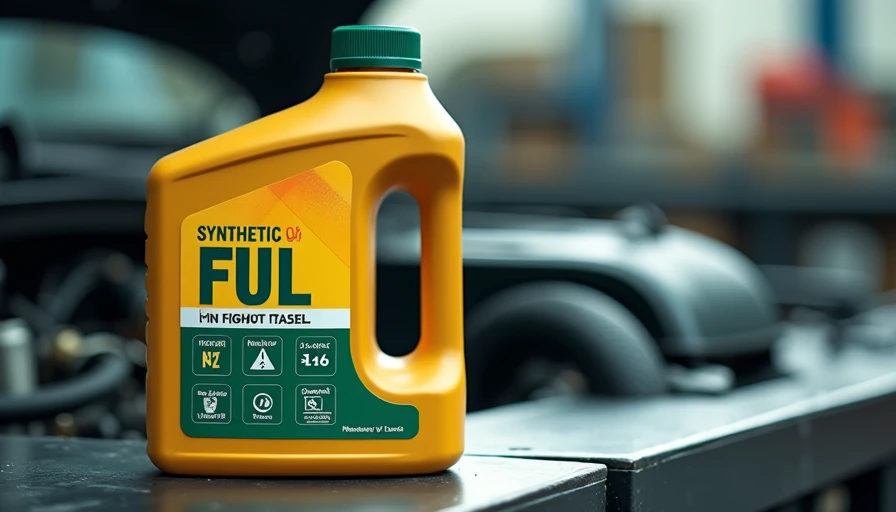
Full synthetic oil is engineered from chemical compounds rather than pumped from the ground. That doesn't mean crude oil is bad — refined mineral oils have worked well for decades. But synthetics are designed to perform under a wider range of temperatures, resist breakdown longer, and protect engines better at high revs or in extreme cold. For modern engines with turbochargers, variable valve timing, or tight tolerances, synthetic oil is often the recommended choice. If you're driving a newer Volkswagen Golf or a Nissan Qashqai, chances are the manufacturer specifies synthetic already.
Do You Actually Need It? Key Factors to Decide
So, should I use full synthetic oil? Here are the main considerations:
- **Engine type**: Turbo engines run hotter and need better protection. Synthetic oil handles that heat without thinning out too much. If your car is turbocharged (many modern petrol and diesel engines are), synthetic is a smart choice.
- **Age and mileage**: Older engines with high mileage (over 100,000 miles) sometimes have worn seals. Synthetic oil's detergents can clean sludge, but it might also loosen deposits and cause leaks. In that case, a high-mileage semi-synthetic blend is often safer. For example, a 2005 Toyota Yaris with 120,000 miles may not benefit from full synthetic as much as a 2018 Ford Focus.
- **Driving conditions**: Short trips, stop-start traffic, or extreme cold cause more wear because the oil doesn't get fully up to temperature. Synthetic oil flows better at low temperatures and protects during cold starts. If you mostly do short runs, synthetic can reduce engine wear significantly.
- **Manufacturer recommendation**: Always check your owner's manual. If it says "synthetic required" or recommends a specific viscosity like 5W-30 or 0W-20, stick to that. Using the wrong oil can void warranty or cause long-term damage.

Cost vs Benefit: Is It Worth the Extra?
Full synthetic oil costs roughly two to three times more than conventional mineral oil per litre. A typical oil change with mineral oil might be £40–£60 at a garage; with synthetic it's often £80–£120. That extra cost buys you longer drain intervals — some manufacturers extend intervals to 10,000–12,000 miles with synthetic. Over 60,000 miles, you might change oil 6 times with mineral vs 4 times with synthetic, making the total cost difference smaller than you think.
But the real benefit is long-term engine health. Synthetic oil reduces friction, keeps the engine cleaner, and can improve fuel economy by a small percentage. For a car you plan to keep for years, the extra upfront cost is usually worth it. For a cheap runabout you'll scrap in 6 months, don't bother.
I've seen engines opened up at 150,000 miles on synthetic that look almost new inside, while similar engines on mineral oil have sludge and varnish. That matters if you want reliability and fewer oil-related problems.
Common Myths About Full Synthetic Oil
Myth: "Synthetic oil causes leaks in older engines." Truth: It's the detergents cleaning old deposits that can expose existing weak seals, not the oil itself. If your engine is already weeping, synthetic might speed up the leak, but it's not causing new ones.
Myth: "You can't switch back and forth." Truth: Synthetic and conventional oils are compatible. You can use a blend or switch as needed. No harm.
Myth: "Synthetic oil is only for high-performance cars." Truth: Many everyday family cars benefit from it, especially turbocharged ones. Even a Ford Fiesta with the EcoBoost engine should use full synthetic.
When Conventional Oil Is Fine
If you have an older engine that's been on mineral oil its whole life, and you don't subject it to extreme conditions, conventional oil is perfectly adequate. Change it regularly (every 6,000–7,500 miles) and you'll be fine. Examples: Vauxhall Astra from the early 2000s with a naturally aspirated petrol engine, or a Toyota Corolla from the same era. These engines were designed when synthetic wasn't common, and they run happily on mineral oil.
Similarly, if you change oil very frequently anyway (every 3,000–4,000 miles), the extra longevity of synthetic is wasted. You're just paying more for oil that gets drained before it's even started to degrade.
Final Verdict: Should I Use Full Synthetic Oil?
If your car is modern (roughly 2010 onwards), turbocharged, or you want maximum engine life — yes, use full synthetic. If your car is an older, low-tech engine and you're on a tight budget, stick with conventional or a semi-synthetic blend and just change it on time. For most drivers of common UK cars like the Ford Focus, Vauxhall Corsa, Volkswagen Golf, and Nissan Qashqai, the answer is leaning toward yes. But always check your manual first. That's the only opinion that really matters.
Bottom line: synthetic oil is a good investment for the long-term health of your engine. It costs more upfront but can save you money on repairs and keep your car running better. If you're still asking "should I use full synthetic oil", the answer is probably yes — especially if you want peace of mind.