
If you’ve been browsing used Volkswagens, Audis, SEATs, or Škodas, you’ve probably seen the letters DSG in the spec sheet. But what does DSG stand for, and why does it matter? DSG stands for Direct Shift Gearbox – a dual-clutch automatic transmission developed by the Volkswagen Group. It’s one of the most common automated gearboxes on UK roads, found in everything from a Golf to a Passat, and even in some performance models. Understanding what DSG is – and what it isn’t – can save you from an expensive surprise later.
What Does DSG Stand For? The Full Answer
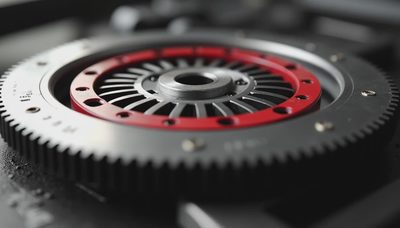
DSG stands for Direct Shift Gearbox. In German, it’s Direktschaltgetriebe. It’s a type of dual-clutch transmission (DCT) that uses two separate clutches – one for odd gears and one for even gears – to pre-select the next gear while you’re still in the current one. The result is near-instantaneous gear changes with no interruption in power. Many drivers confuse it with a traditional automatic, but the mechanical layout is completely different. That matters when it comes to maintenance and repair.
How a DSG Gearbox Works
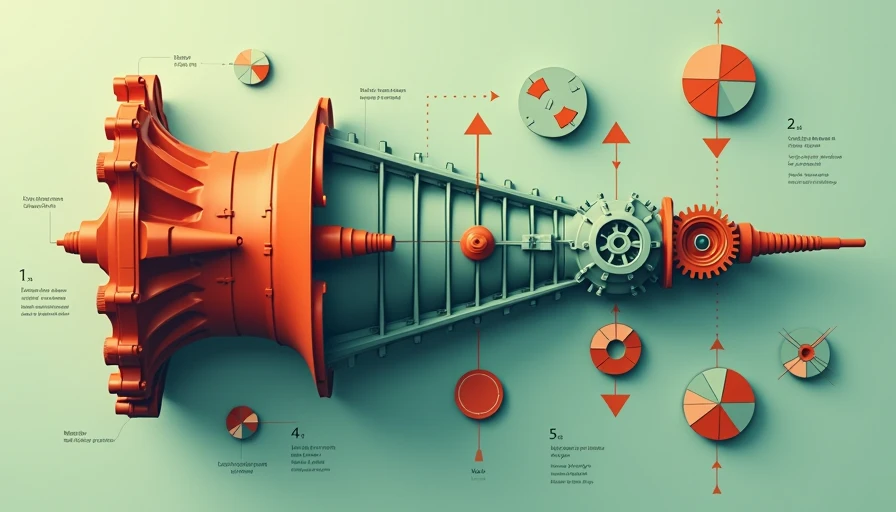
Imagine two gearboxes inside one housing. Clutch A handles 1st, 3rd, 5th, and reverse. Clutch B handles 2nd, 4th, and 6th (or more if it’s a 7-speed unit). While you’re driving in 3rd gear, the box already has 4th pre-selected. When it’s time to shift, clutch A disengages and clutch B engages almost instantly – usually in under 0.2 seconds. That’s why DSG cars feel smooth and responsive. The gearbox can operate fully automatically or via paddle shifters, giving you control when you want it.

DSG vs Traditional Automatic vs Manual
A traditional automatic uses a torque converter, which can feel slushy and wastes some power. A manual gives you full control but requires clutch pedal work. DSG sits in the middle: it offers the convenience of an auto with the efficiency and performance of a manual. In real-world driving, a well-maintained DSG returns fuel economy close to a manual – sometimes even better because the gearbox always picks the optimum ratio. However, it is heavier and more complex. For a family car like the VW Golf or Audi A3, DSG is a popular choice. It’s also common in hot hatches like the Golf GTI, where quick shifts matter.
Common DSG Problems and What to Watch For
No gearbox is perfect, and DSG has a few known weaknesses. The biggest one is the mechatronic unit – the electro-hydraulic brain that controls gear selection. This unit can develop faults, especially in earlier 6-speed versions (DQ250). Symptoms include jerking, hesitation, or the gearbox going into limp mode. Replacement can cost between £1,500 and £2,500 at a specialist. Another issue is clutch wear. In high-mileage cars (over 80,000 miles), the clutches can slip, causing shuddering during take-off. Clutch replacement runs £800–£1,200. DSG oil and filter changes are critical – VW recommends every 40,000 miles for 6-speed and every 80,000 for 7-speed wet clutches. If the service history is patchy, the gearbox could be a ticking time bomb.
Is a Used DSG Car Worth Buying?
Yes – but with conditions. If the car has full service history including the DSG oil changes, it’s generally reliable. The dual-clutch design is robust when looked after. The problem is that many private sellers neglect the gearbox service, thinking it’s a sealed-for-life unit (it isn’t). When viewing a used DSG car, check the service book for the gearbox oil change. If it’s missing, budget for a gearbox service immediately – around £250–£350. Also test drive it: listen for clunks, feel for hesitation, and try both automatic and manual modes. A smooth, responsive gearbox is a good sign. If it jerks, walk away.
Maintenance Tips for DSG Owners
- Change DSG oil and filter on time. Skipping it leads to mechatronic failure.
- Use only VW-specified oil (G 052 182 A2 for 6-speed wet, G 055 529 for 7-speed dry).
- If you drive mostly in stop-start traffic, consider a DSG cooler retrofit for older models.
- Don’t coast in neutral – DSG gearboxes are designed to stay in gear when idling. Coasting reduces lubrication and can cause wear.
- If you feel a shudder from a standstill, get the clutches checked before they slip too much.
Final Verdict
So, what does DSG stand for? Direct Shift Gearbox – and it’s a clever piece of engineering that works brilliantly when cared for. For the average UK driver, a DSG-equipped car offers a great balance of convenience, economy, and performance. Just don’t buy one without proof of the gearbox service. A neglected DSG can turn into a £2,000 repair bill, but a well-maintained one will serve you for 150,000 miles or more. If you’re shopping for a used Golf, Passat, A3, or Octavia, knowing what DSG is and how to check it gives you a real advantage at the forecourt.