

If you’ve ever stood in front of an oil shelf wondering whether to grab the full synthetic oil vs semi synthetic oil, you’re not alone. It’s one of the most common questions I get from drivers, and the answer isn’t always “buy the most expensive one.” The choice matters because the right oil keeps your engine running smoothly, while the wrong one can cost you in repairs or wasted money. In this article, I’ll break down the differences, when to use each, and how to decide without overthinking it.
What’s the Difference Between Full Synthetic and Semi Synthetic Oil?
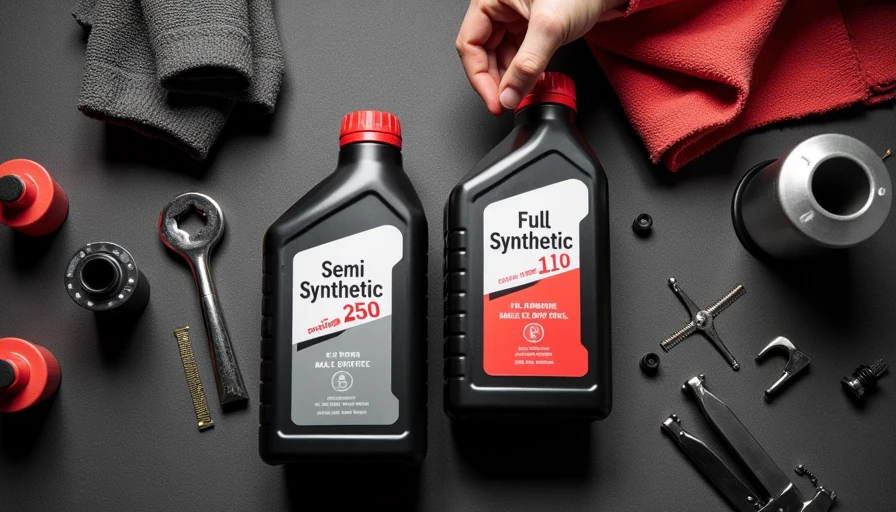
At the simplest level, full synthetic oil is made from highly refined base oils and chemical additives designed to perform consistently under extreme temperatures and loads. Semi synthetic oil (also called synthetic blend) is a mix of conventional mineral oil and a smaller amount of synthetic base stock. That blend gives you some of the benefits of full synthetic at a lower price point.
The main practical differences are:
- **Viscosity stability:** Full synthetic maintains its thickness better in both freezing cold and scorching heat. Semi synthetic degrades a bit faster under stress.
- **Engine protection:** Full synthetic offers superior protection against sludge, deposits, and wear, especially in turbocharged engines or high-mileage cars.
- **Oil change intervals:** Many manufacturers recommend longer intervals with full synthetic (e.g., 10,000–15,000 miles) compared to semi synthetic (often 6,000–8,000 miles). But always follow your car’s service schedule.
That said, for many everyday UK drivers — commuting in a Ford Focus or Vauxhall Astra — semi synthetic is perfectly adequate if changed on time. The extra performance of full synthetic really shines in colder climates, stop-start traffic, or if you regularly tow or drive hard.
Which Oil Does Your Car Actually Need?
The best answer is in your owner’s manual. It will specify an oil viscosity (like 5W-30 or 0W-20) and often a performance standard (such as ACEA C2 or API SN). If the manual says “full synthetic” or “synthetic only,” then don’t use semi synthetic — it could void your warranty or lead to long-term damage. If it says “synthetic blend” or simply lists a viscosity without specifying, semi synthetic is fine.
For older cars — say a 2008 Volkswagen Golf or a 2010 Nissan Qashqai — many manuals will accept semi synthetic. In fact, switching from conventional to semi synthetic can be a good upgrade without the full cost. But if your car is turbocharged (common in modern diesels and petrols), full synthetic is strongly recommended because turbos run hotter and need better heat resistance.
Another factor: age and mileage. A high-mileage engine with over 100,000 miles may actually benefit from a high-mileage full synthetic oil, which contains conditioners to help seals and reduce leaks. But some older engines are more prone to leaks with full synthetic because of its thinner base; in those cases, semi synthetic or a thicker viscosity can be safer. Always check for leaks after a change.
Cost vs Benefit: Is Full Synthetic Worth the Extra Money?
This is where I see drivers get stuck. A 5-litre bottle of full synthetic oil typically costs £40–£60 at UK retailers like Halfords, Euro Car Parts, or online. Semi synthetic runs £25–£40 for the same amount. Over three oil changes a year (if you drive average mileage), the difference is about £60–£90 annually. That’s not nothing, but it’s not huge either.
The real question is: does your engine need what full synthetic offers? For a modern turbo petrol or diesel, the answer is almost always yes. For an older naturally aspirated petrol used for short trips, semi synthetic is often sufficient. The savings from longer change intervals with full synthetic can also offset some of the cost, but only if you actually stick to the longer interval — and many UK drivers still prefer annual changes regardless.
One factor that tilts the balance: resale value. A car with a full service history using full synthetic oil can be slightly more attractive to buyers, especially if it’s a performance or premium model. For a runaround, it won’t matter.

A Practical Recommendation for UK Drivers
After years in a service bay, here’s my rule of thumb:
- **Use full synthetic** if your car is turbocharged, less than 10 years old, or driven hard (motorway miles, towing, frequent short trips in cold weather).
- **Use semi synthetic** if your car is older (10+ years), naturally aspirated, and driven gently on a mix of roads. Change it every 6,000 miles or annually.
- **Check the manual** and stick to the recommended viscosity and standard. That’s more important than the “full vs semi” debate.
For the average UK motorist driving a 2015 Ford Fiesta 1.0 EcoBoost, full synthetic is the right choice — that engine is turbocharged and needs the better protection. For a 2005 Toyota Yaris 1.0, semi synthetic will do the job perfectly well.
Still unsure? Ask your garage what they use, and why. A good independent will tell you straight. And if you’re paying for an oil change yourself, remember: spending a bit more on the right oil is cheaper than an engine rebuild.
The key takeaway: match the oil to your engine’s demands, not your budget. Full synthetic oil vs semi synthetic oil is not a marketing gimmick — it’s a real performance difference. But for many cars, semi synthetic is still a smart, reliable choice. Drive smart, check your oil level regularly, and don’t panic about which bottle to grab.
*Fix the problem, not the panic.*